Oita
Volcanically soothing, naturally delicious


About
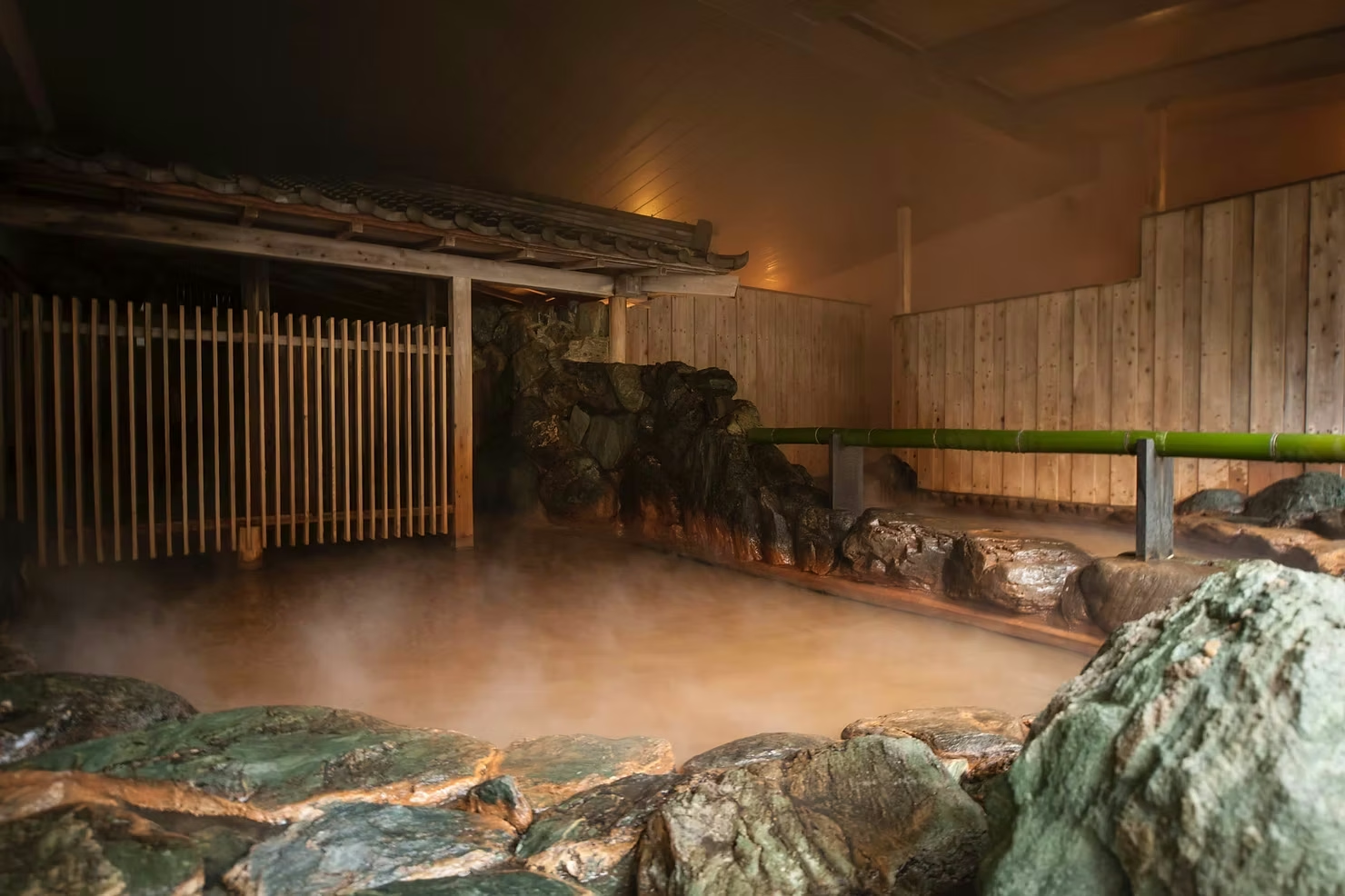
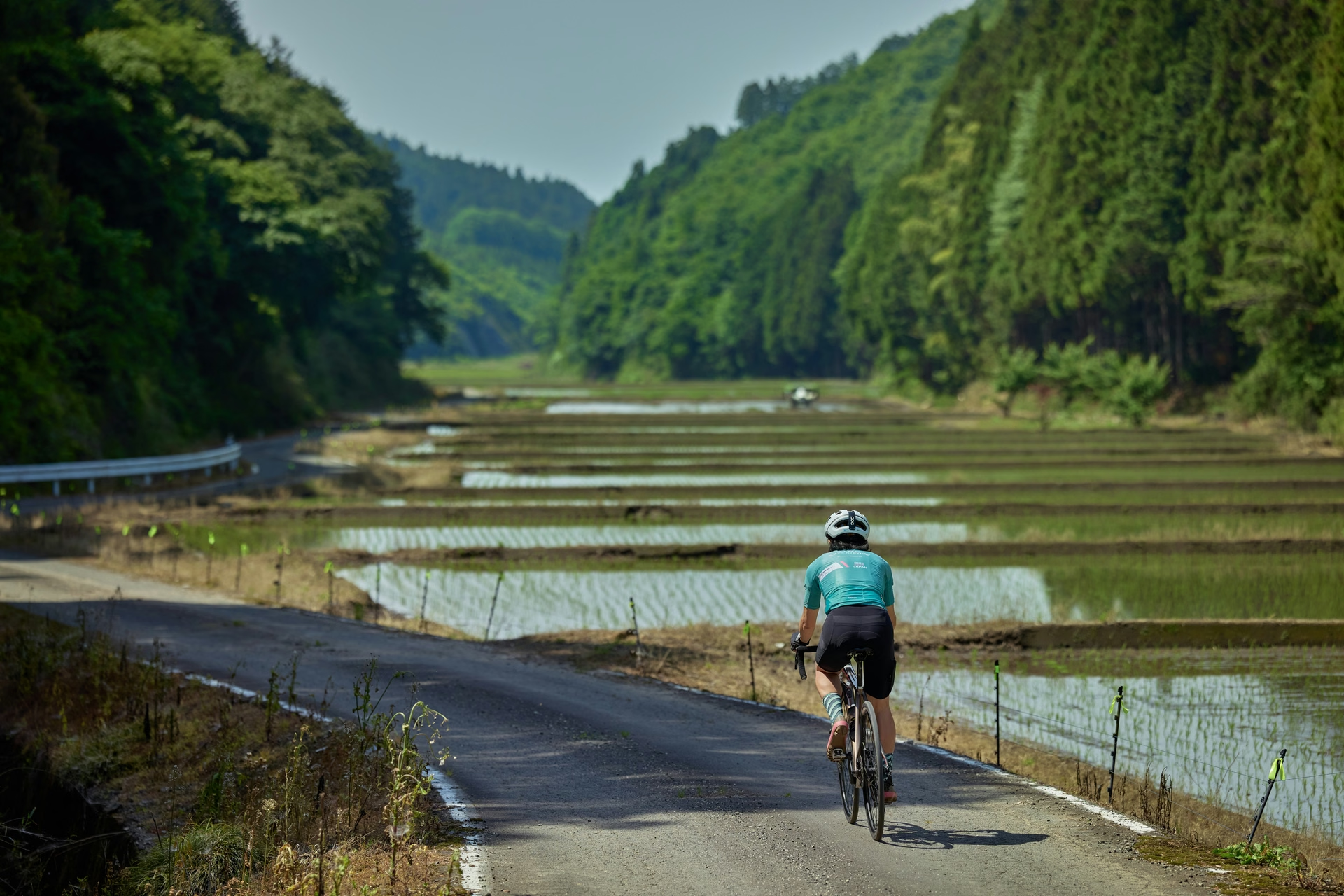
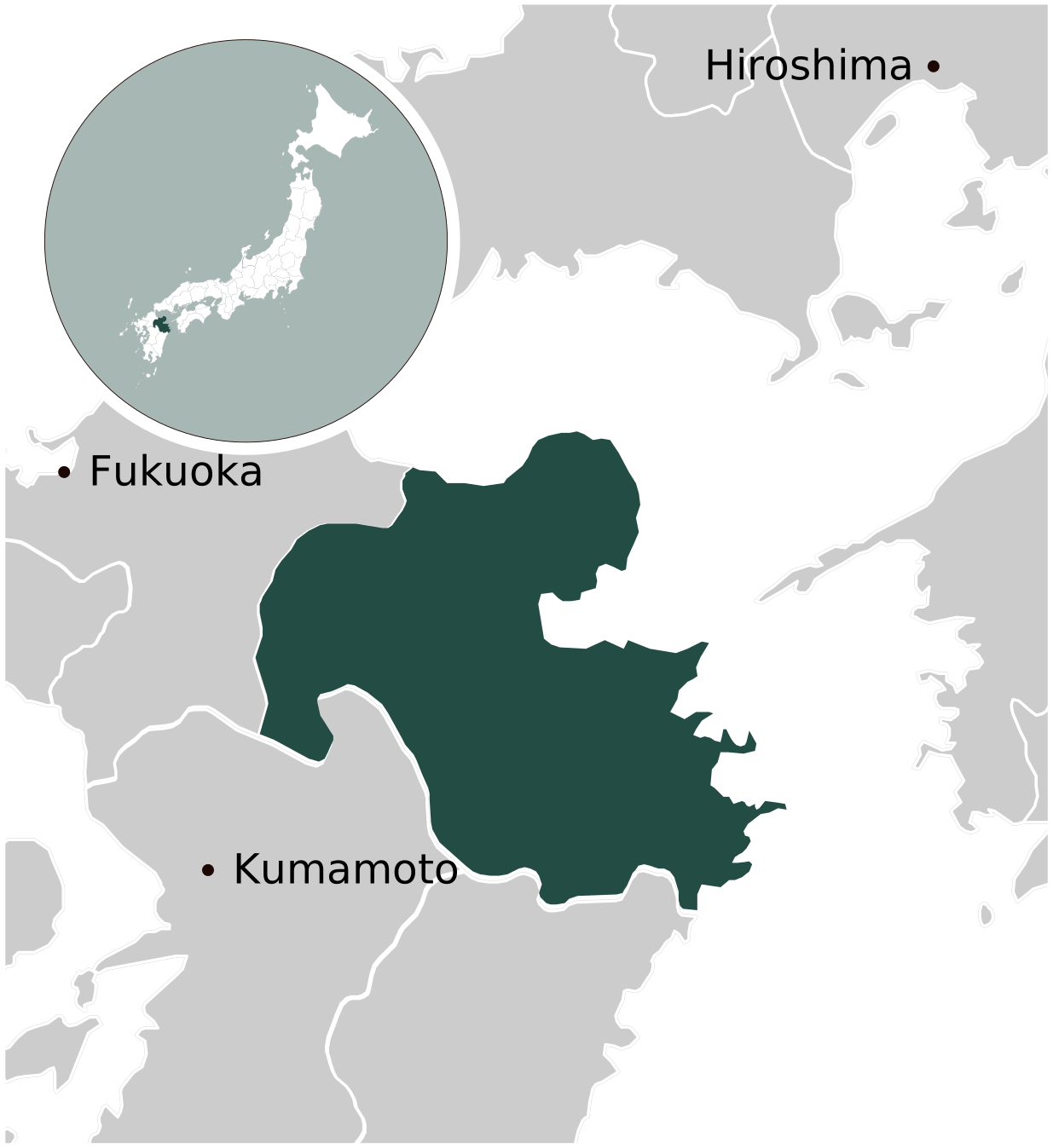
Located in north-eastern Kyushu, Oita is best known for its exceptional hot-spring culture, traditional ryokan, and varied landscapes of mountains, coastline, and rural countryside. Although Beppu and Yufuin are established destinations, the wider prefecture remains less familiar to many international visitors. Oita offers an excellent addition to a Kyushu itinerary for clients interested in Japanese bathing culture, regional food, and a more relaxed pace of travel.
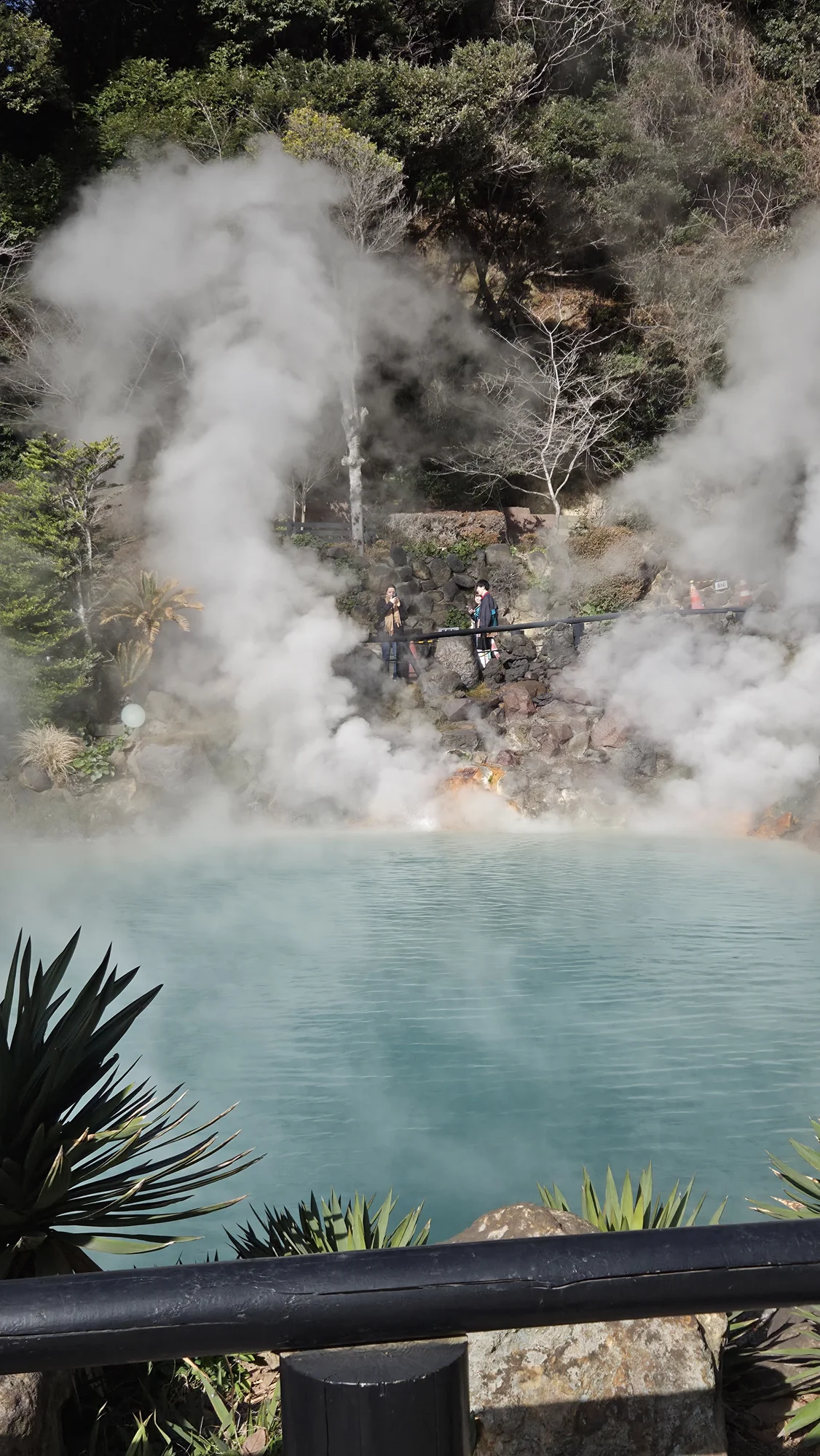
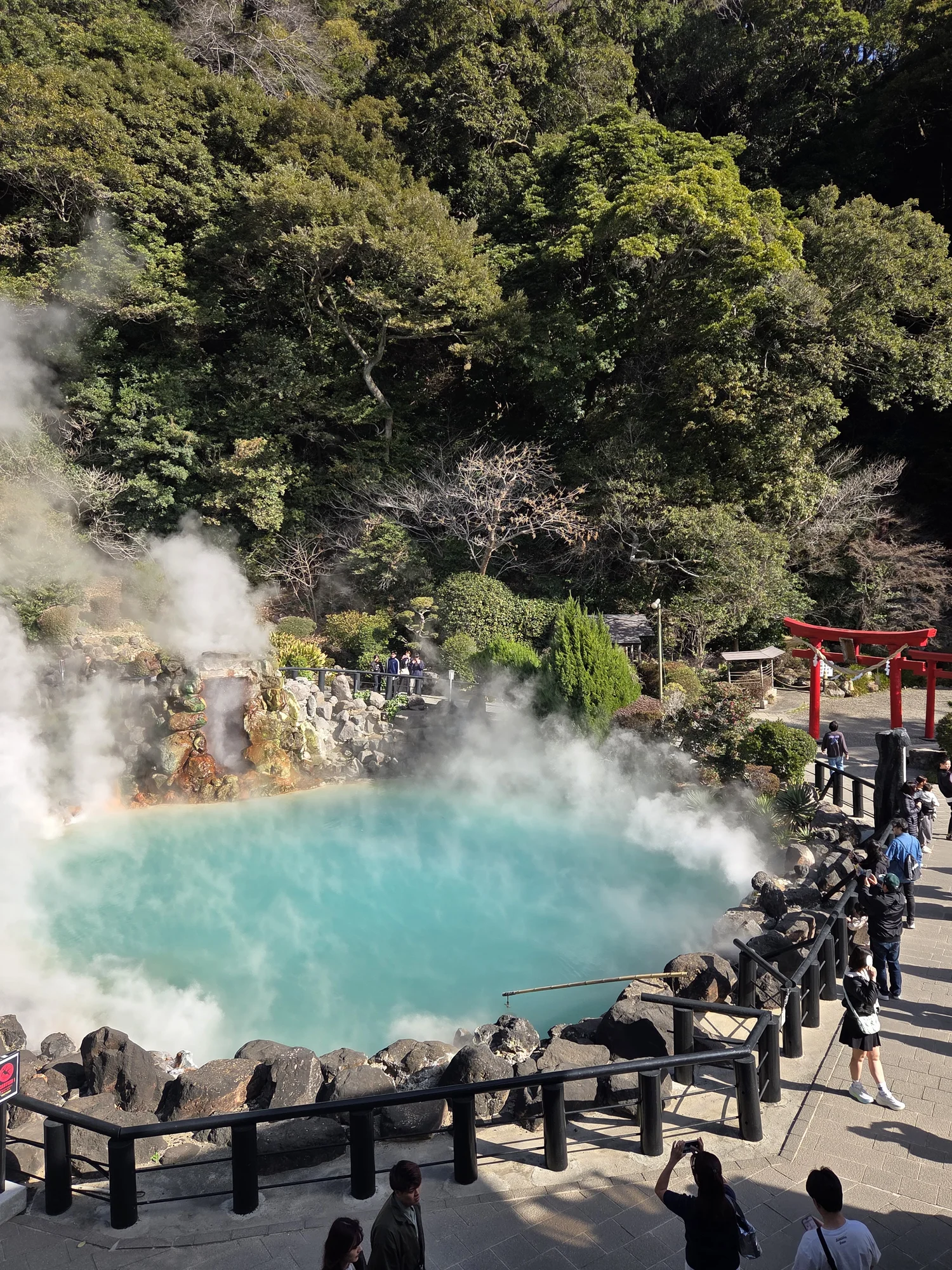
Oita’s principal attractions are Beppu and Yufuin, two contrasting onsen destinations. Beppu is one of Japan’s major hot-spring cities, with numerous bathing districts, traditional public baths, and the famous Jigoku, or Hells of Beppu, where visitors can see unusual geothermal features. The town offers a wide range of accommodation, although its urban character may surprise travellers expecting a traditional hot-spring village. Yufuin, by contrast, is a smaller resort town with boutique accommodation, independent shops, cafés, and views of Mount Yufu. It is particularly well suited to clients seeking a quality ryokan stay, with private or open-air baths and a strong emphasis on dining and relaxation. Both destinations can be combined, although an overnight stay is more rewarding than attempting to cover both in a single day. Beppu positions itself in competition with Hakone as the ‘king’ of spring towns, and points to the fact that its hot springs have given rise to a cuisine all of their own; jigokumushi, or food actually cooked in hot springs.
Beyond its bubbling waters and clouds of vapour, Oita has a rich cultural heritage. The Kunisaki Peninsula, in the north, is known for its historic temples, shrines, and distinctive Buddhist traditions. Usa Jingu, one of Japan’s most important Shinto shrines, is another significant attraction. These sites provide an opportunity to explore a less familiar side of Japanese religious history, although the rural locations mean that private transport or carefully planned excursions are often the most practical approach- great for an exclusive and uncrowded client experience.
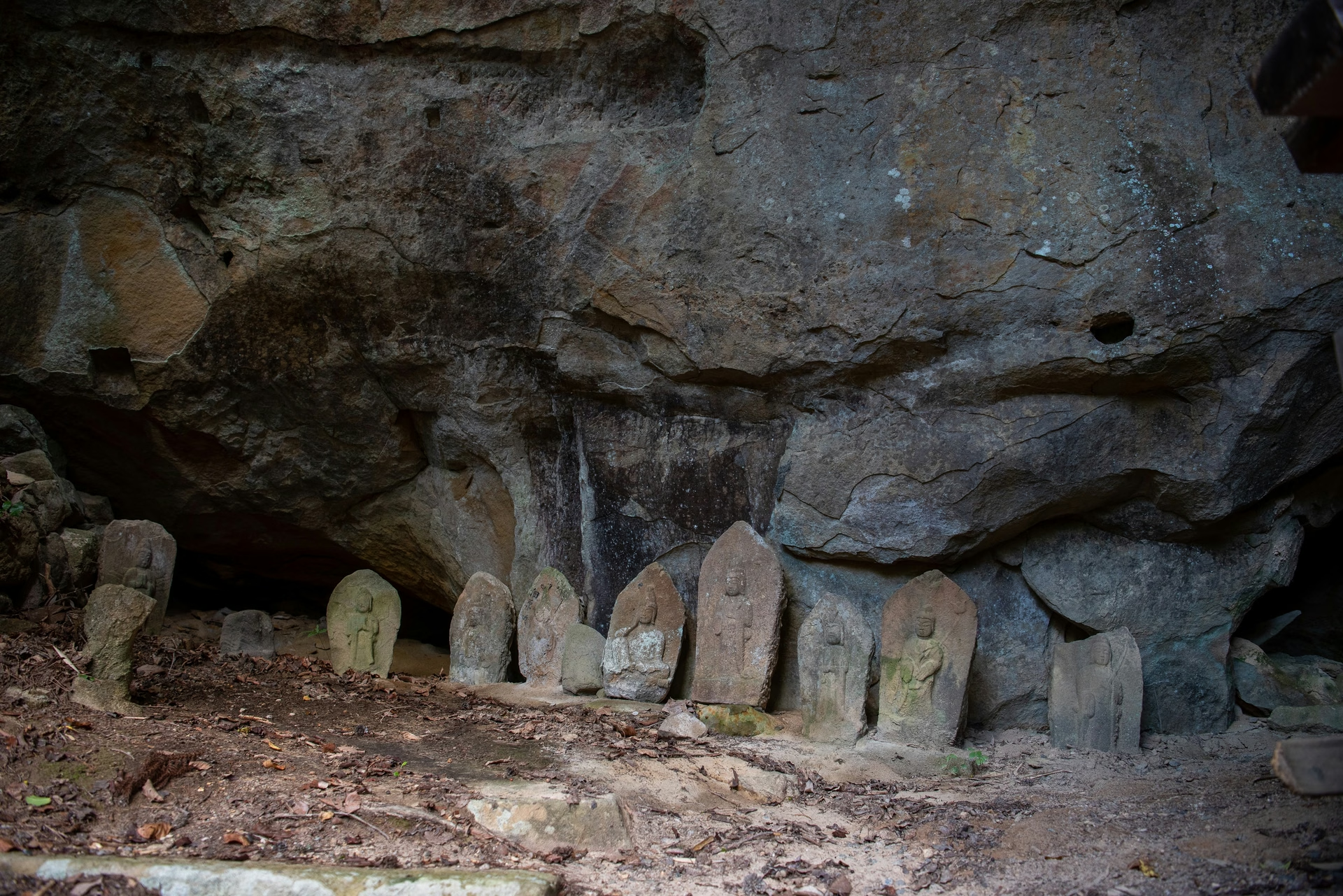
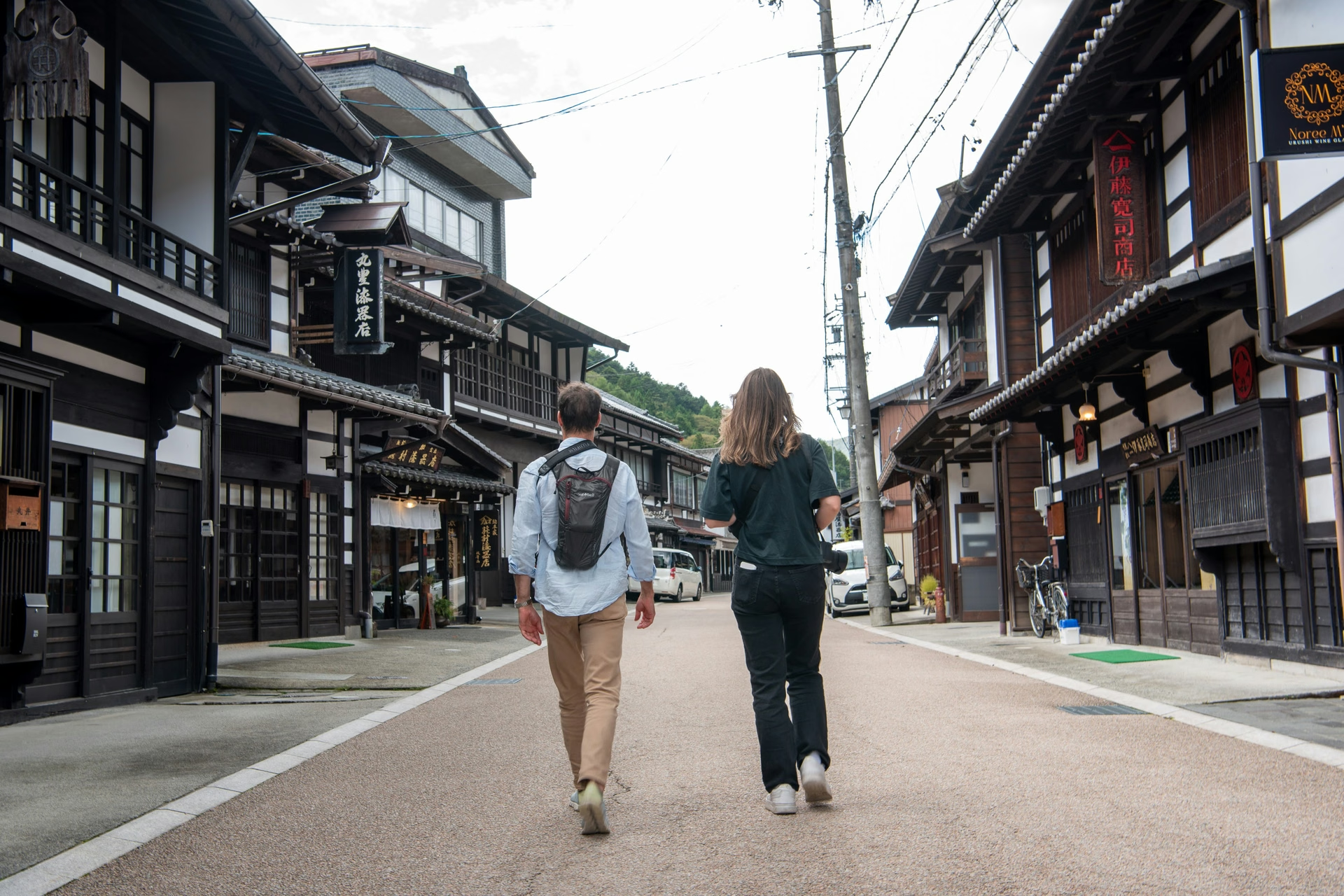
Oita is also a strong destination for food-focused itineraries. Local specialities include Bungo beef, fresh seafood, shiitake mushrooms, and kabosu, a citrus fruit widely used in regional cooking. The aforementioned jigokumushi, in which ingredients are steamed using natural geothermal heat, provides an accessible food experience linked directly to the area’s hot-spring culture. Further inland, the historic town of Hita and the castle town of Kitsuki offer traditional streetscapes, while Usuki is known for its remarkable stone Buddha statues.
Like much of Kyushu, Oita probably best fits into a more standard itinerary at its conclusion. Oita offers both variety and comparative ease in these logistics; Oita is a practical addition to a Kyushu itinerary, with rail and road connections to Fukuoka and other regional destinations, as well as access through Oita Airport, and can also be accessed by ferry from Osaka. It also works well for clients willing to include some self-drive in the Kyushu component of their travels, and is easiest accessed from Fukuoka or Kumamoto.
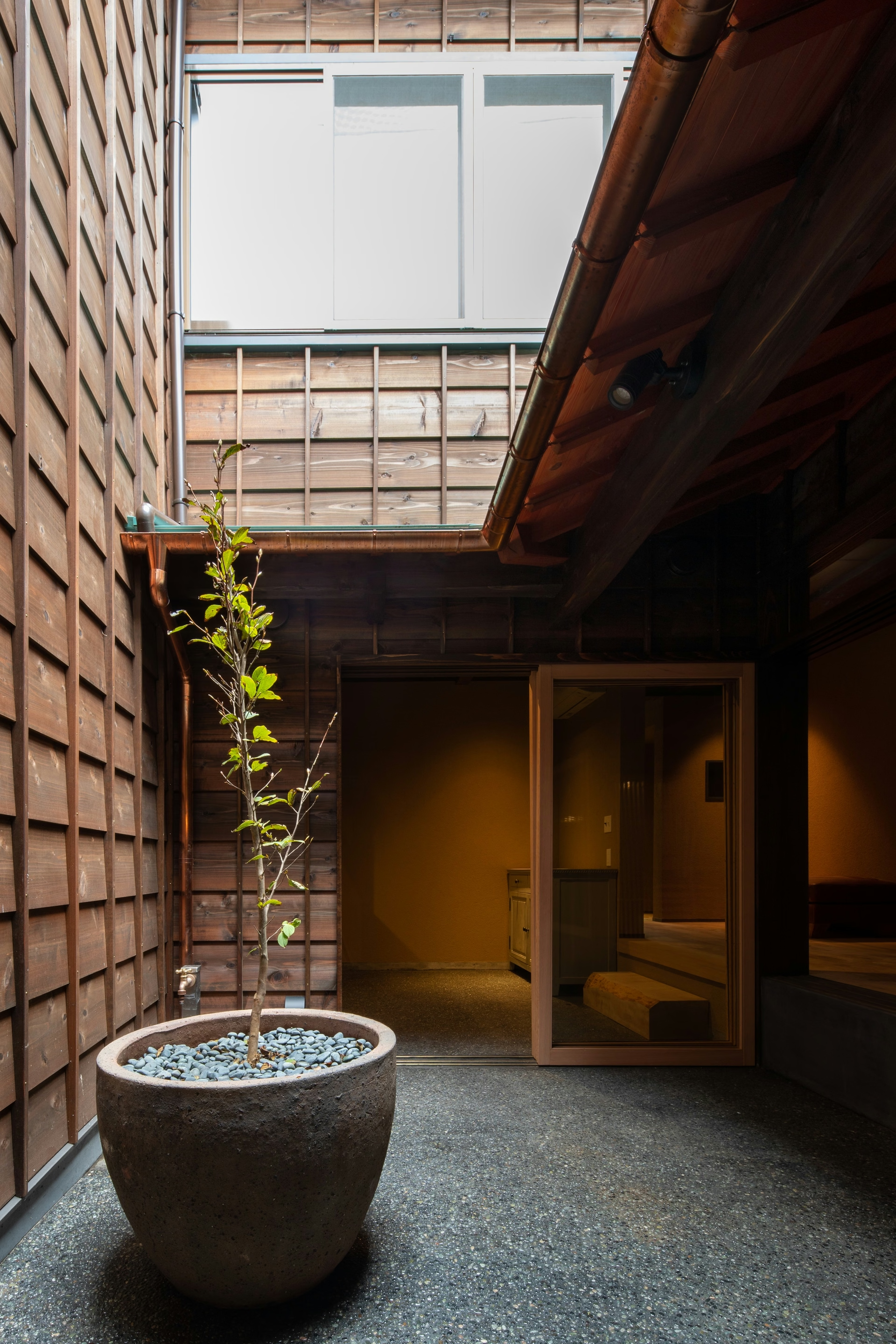
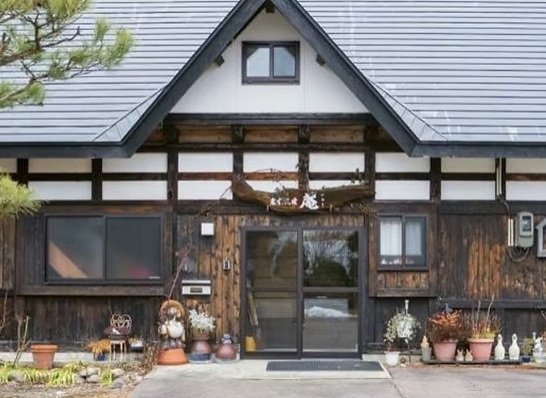
However, attractions are spread across the prefecture, and public transport becomes less frequent outside the main centres. For most first-time visitors, two or three nights around Beppu and Yufuin provide a good introduction, while the Kunisaki Peninsula or Usuki can be added for clients with more time or particular cultural interests. Accommodation is a major strength, particularly for traditional ryokan stays and distinctive onsen experiences. With sensible routing, Oita offers a compelling combination of hot-spring culture, regional gastronomy, traditional hospitality, and historic landscapes, making it a strong addition to a Japan itinerary in need of a hot-spring ryokan, cultural activity, and some off-the-beaten-path differentiation.
Gastronomy
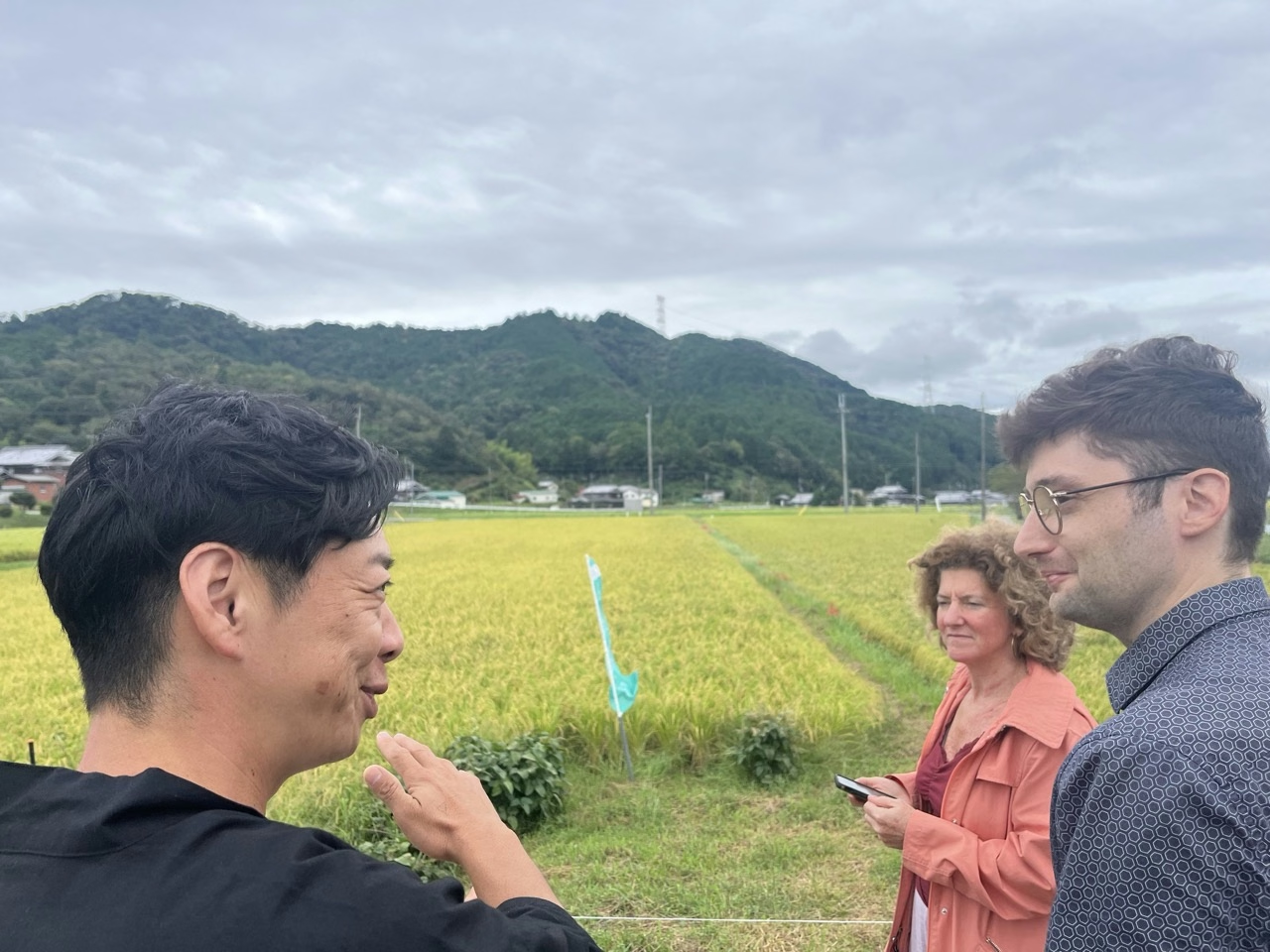
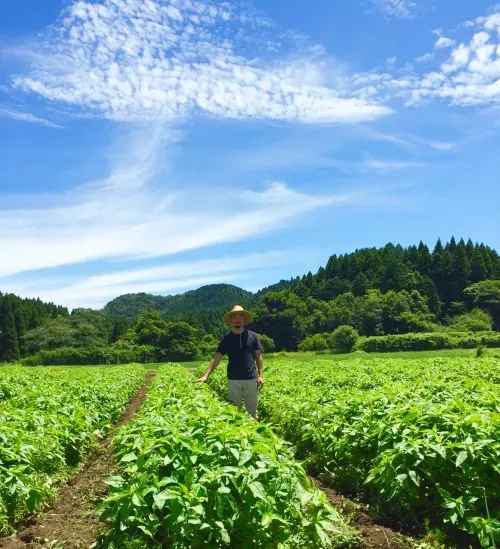
Farm to table produce rich in heritage and flavour. Locally brewed sake and beer all served with that unique special ingredient of Japanese hospitality.
Heritage
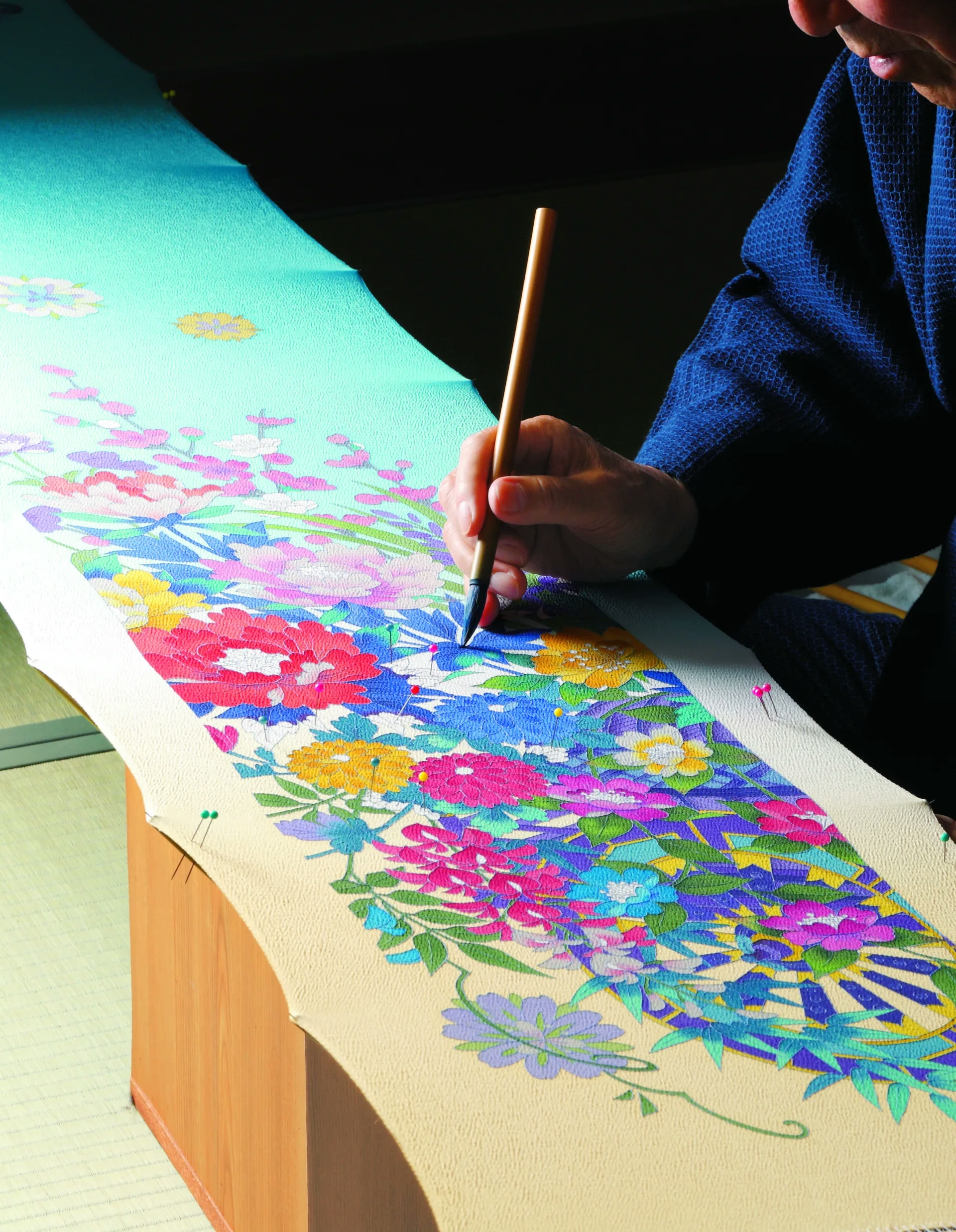
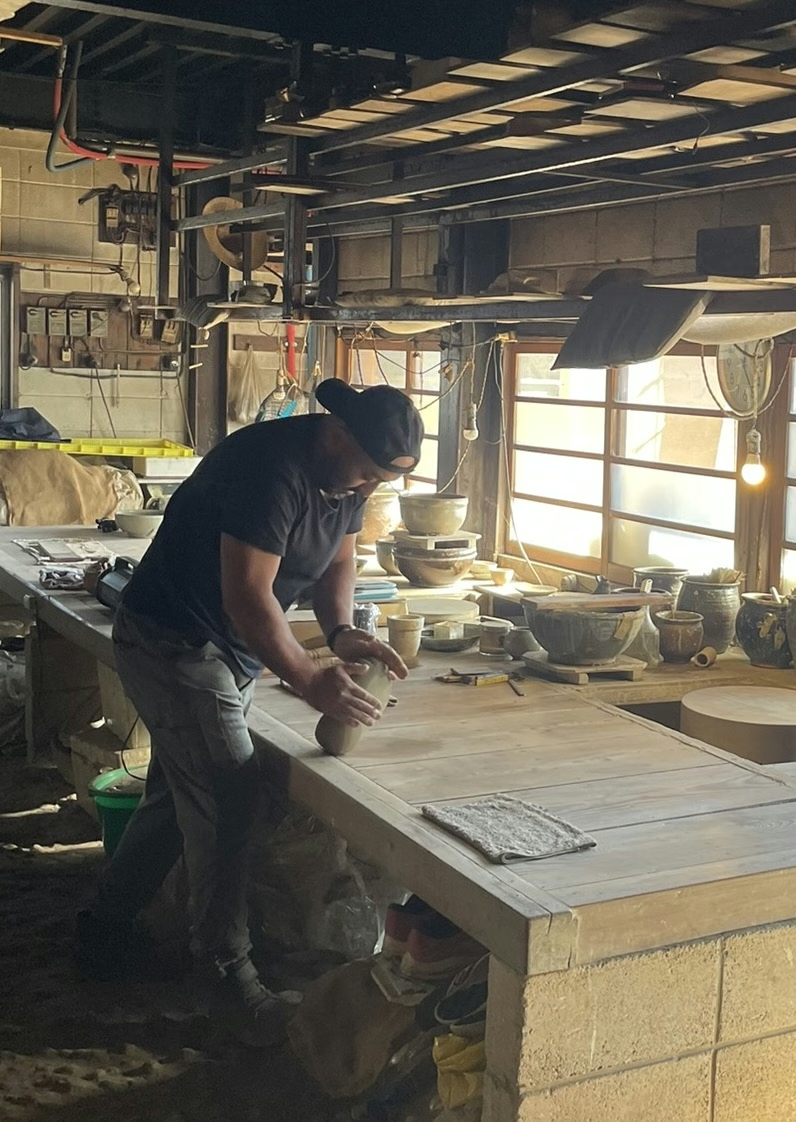
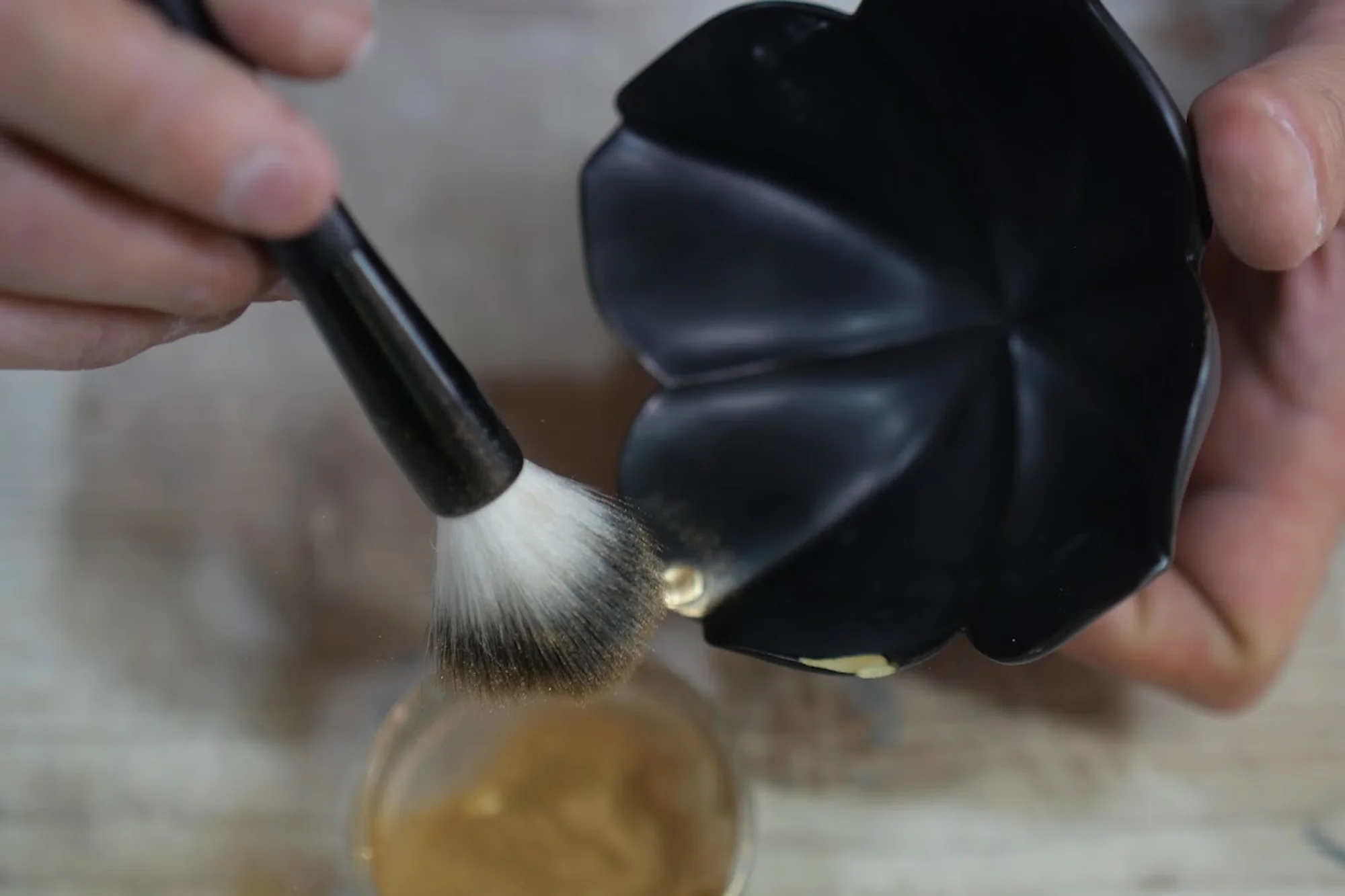
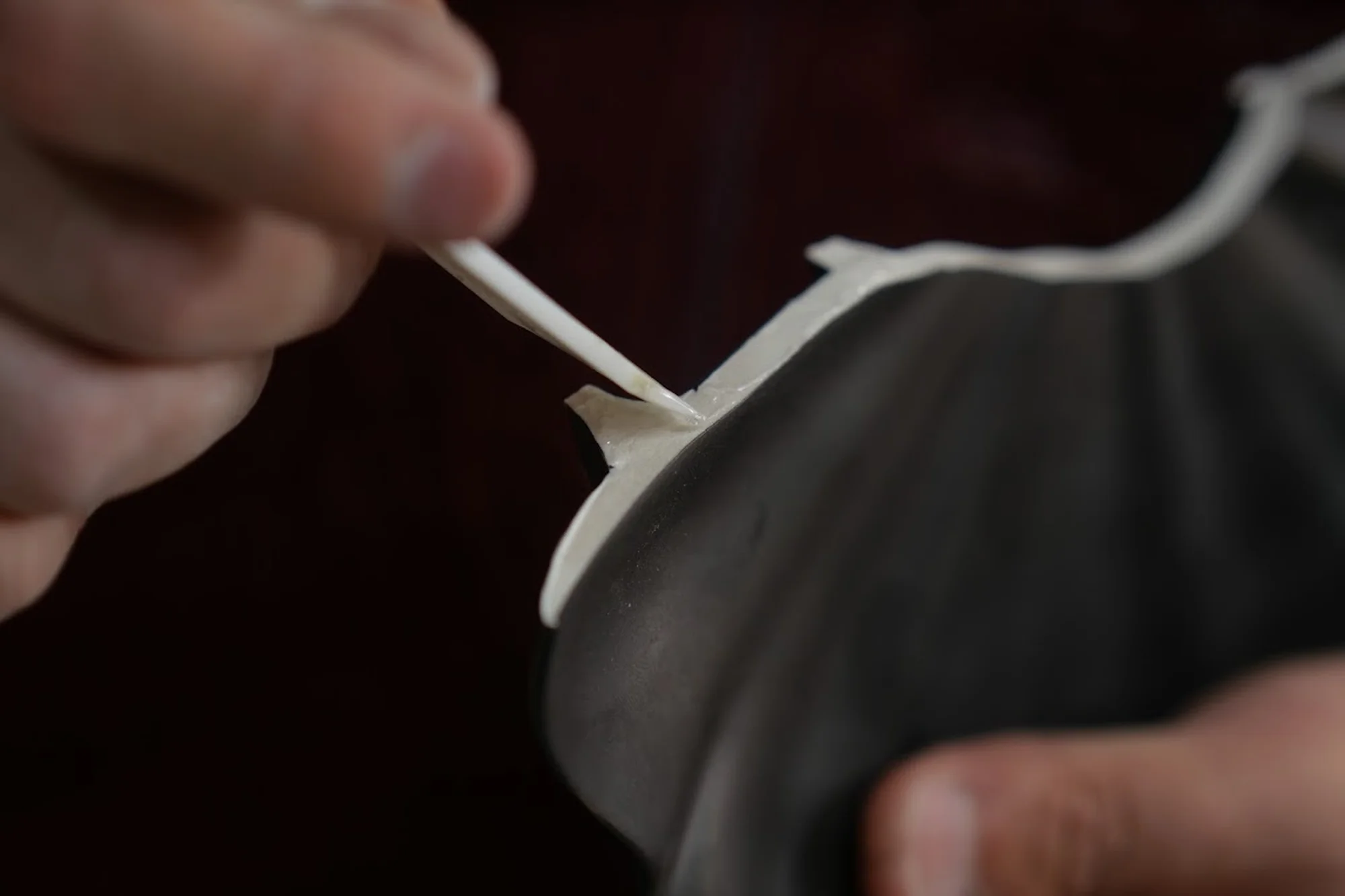
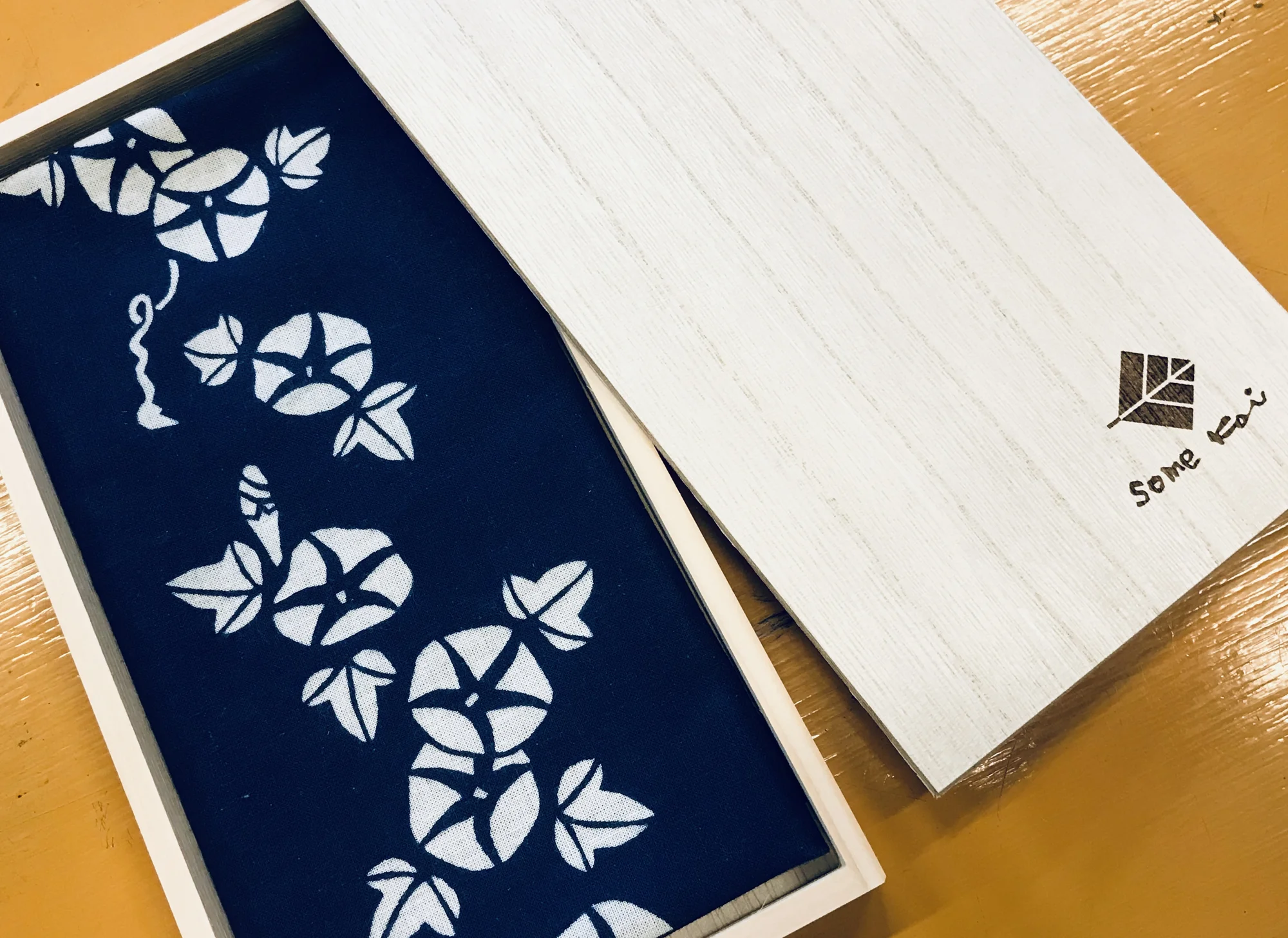
Original, authentic and inspiring. Japanese crafts that support local communities and keep expert skills alive.
Outdoor
Stays
Lorem ipsum dolor sit amet consectetur. Ac lobortis tempus tincidunt suscipit volutpat nunc condimentum imperdiet tincidunt.
Featured Itineraries