Shiga
Ancient culture found amongst quotidian charm


About
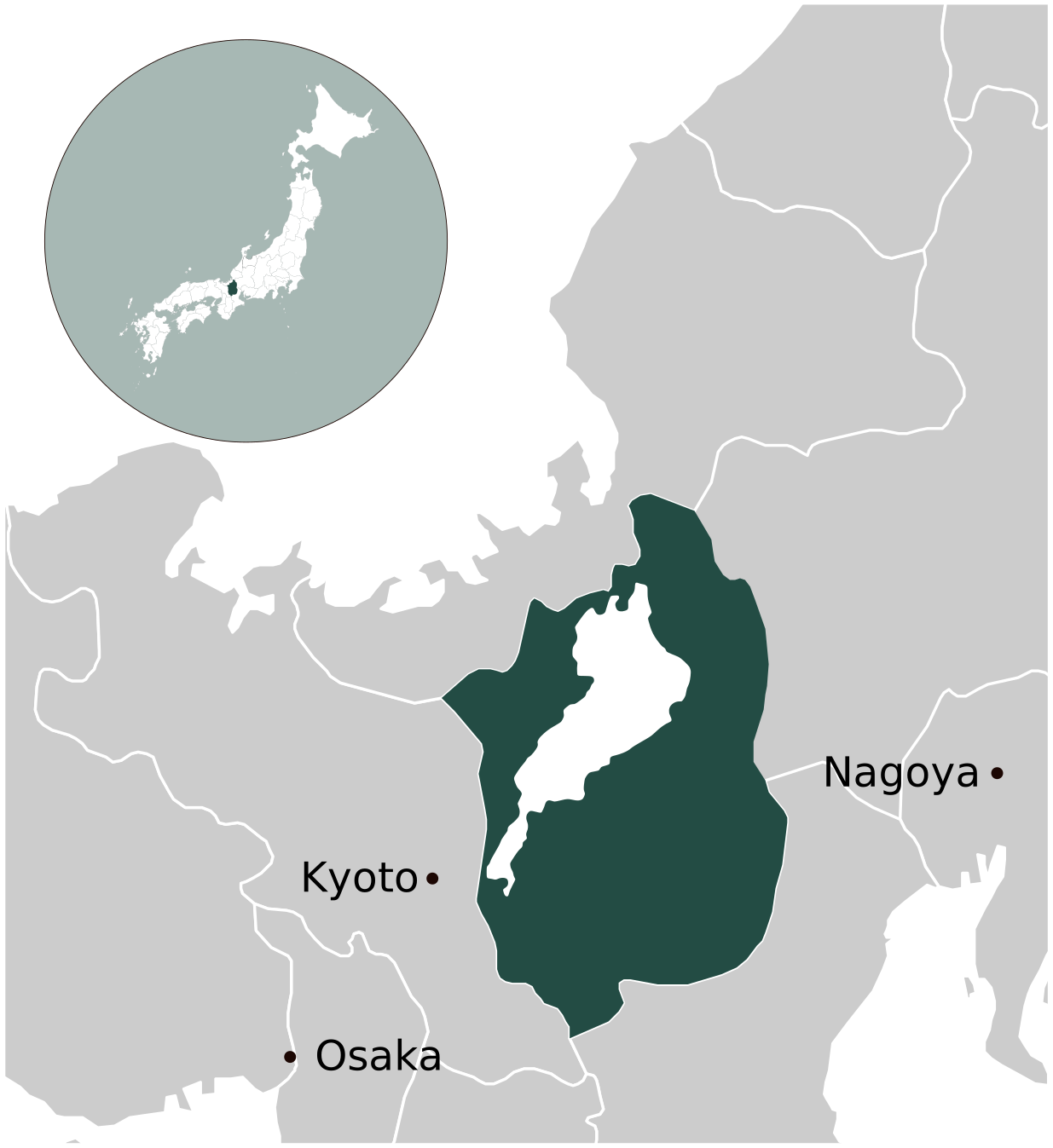
Located immediately east of Kyoto, Shiga is centred on Lake Biwa, Japan’s largest freshwater lake, and offers a combination of historic towns, important temples, traditional crafts, and lakeside landscapes. Despite its proximity to Kyoto, it is often overlooked by international visitors, making it a useful addition for tour operators looking to extend a Kansai itinerary beyond the familiar destinations. Its particular strengths are historic castle towns, distinctive lake culture, and opportunities to explore traditional- and less touristed- Japan without travelling far from Kyoto.
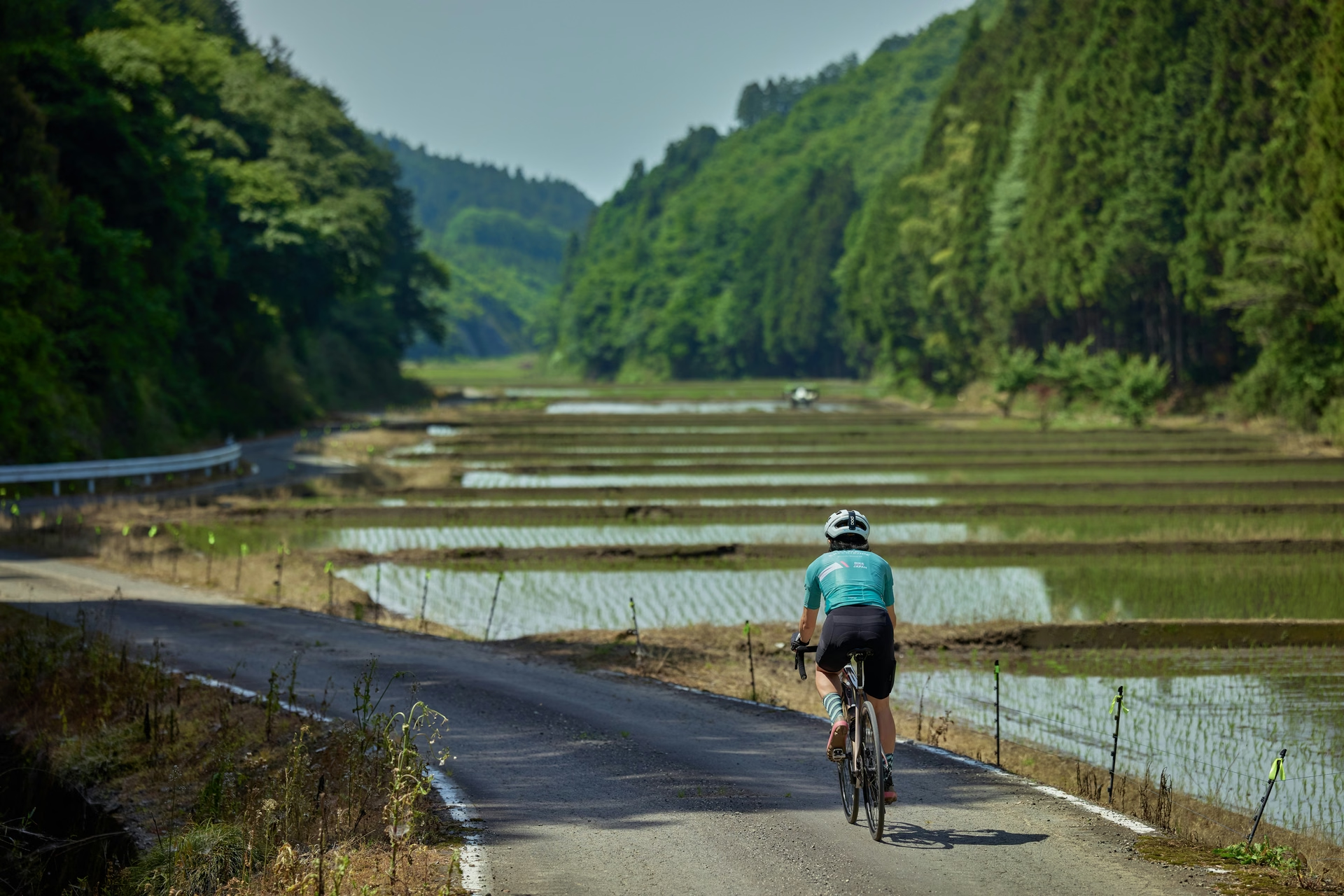
Lake Biwa provides a natural focus for the prefecture, with scenic boat trips, cycling, lakeside walks, and opportunities to explore small islands and historic shrines. The torii gate at Shirahige Shrine, standing in the water, is one of the area’s best-known sights. The lake has a long history of supporting local communities, trade, and food production. Regional specialities include Omi beef and funazushi, a traditional fermented fish dish with a distinctive flavour. The lake is particularly well suited to clients looking for a slower-paced excursion or an overnight stay combining scenery and culture.
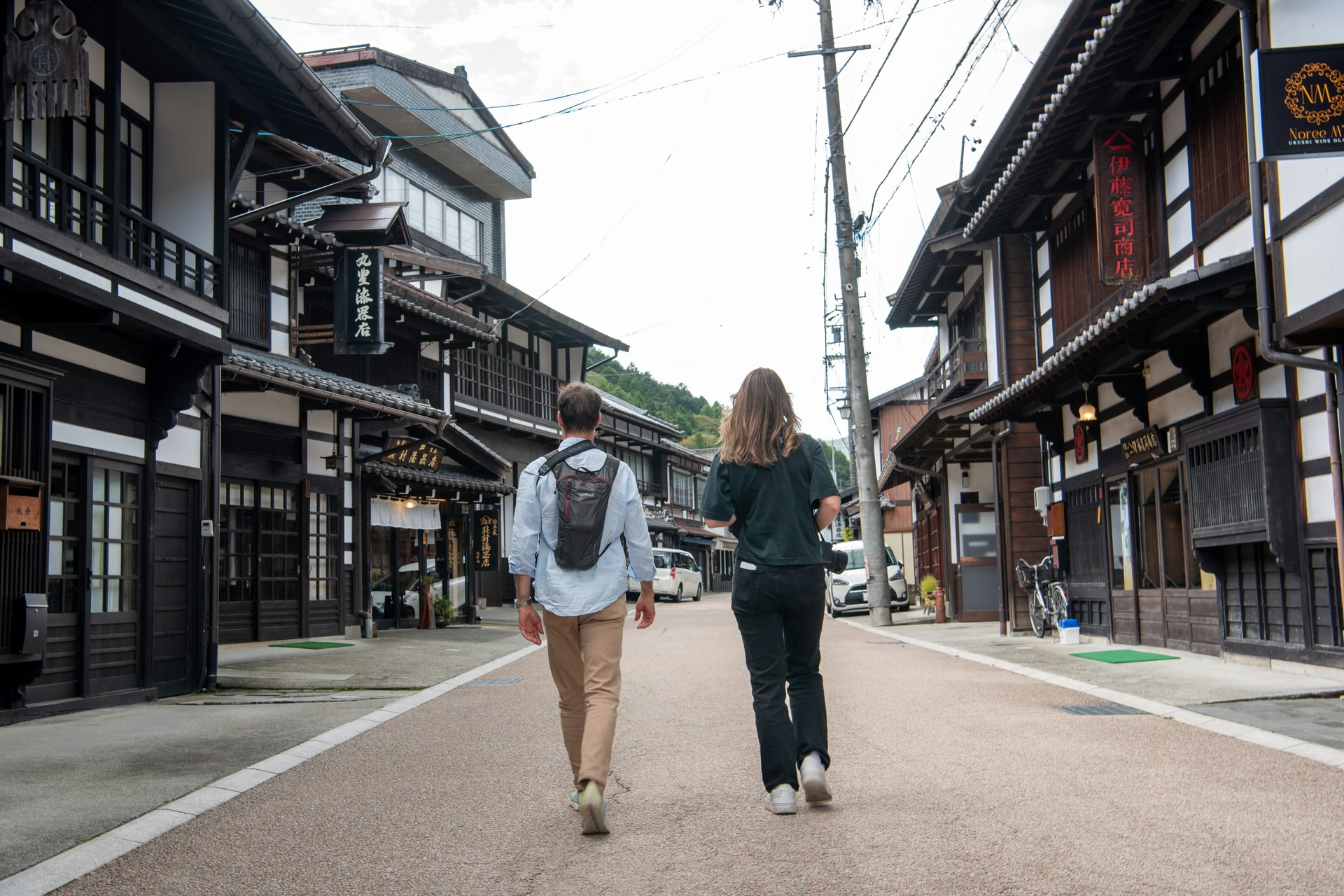
Hikone, on the eastern shore, is best known for Hikone Castle, one of Japan’s few surviving original castle keeps designated a National Treasure. Its castle grounds, gardens, and historic town provide a rewarding introduction to samurai-era history. Further south, Omihachiman offers preserved merchant houses, traditional streets, and the Hachiman-bori canal, which can be explored by boat. These towns work particularly well for clients interested in architecture, local history, and traditional Japanese commerce. Traditional architectural techniques, farm-to-table agriculture and cuisine, and trips to local villages are all quality offerings available.
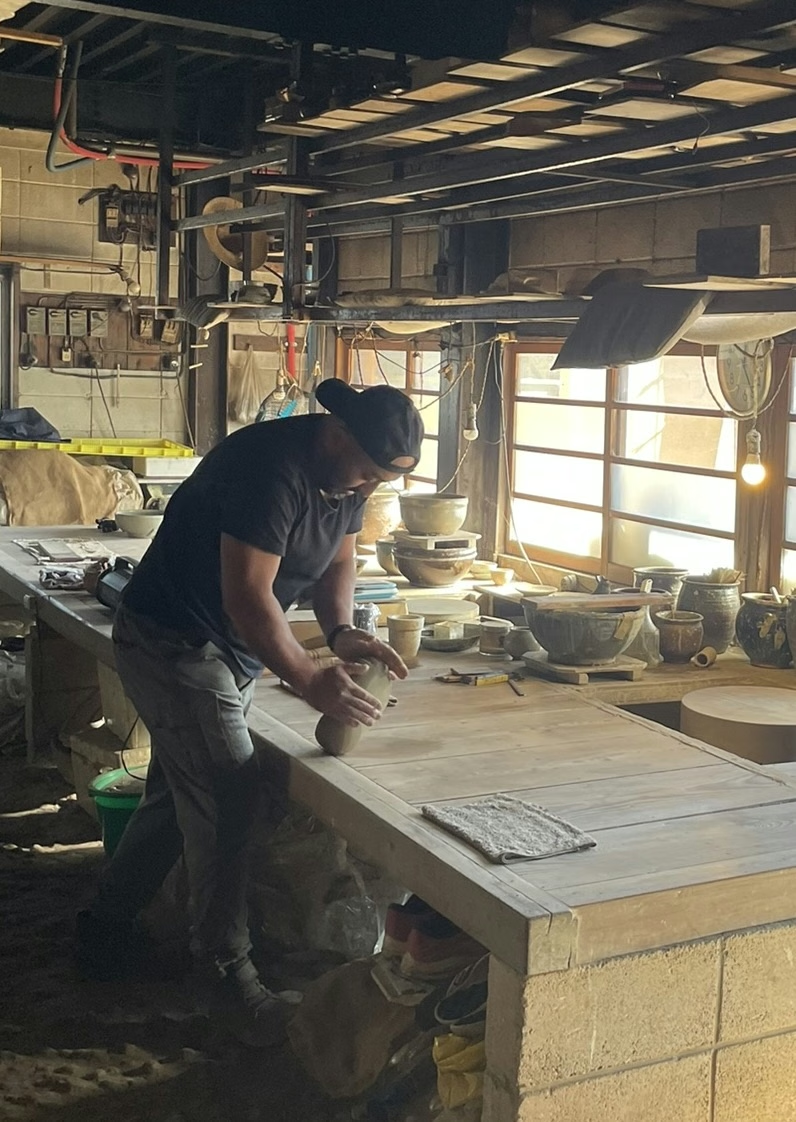
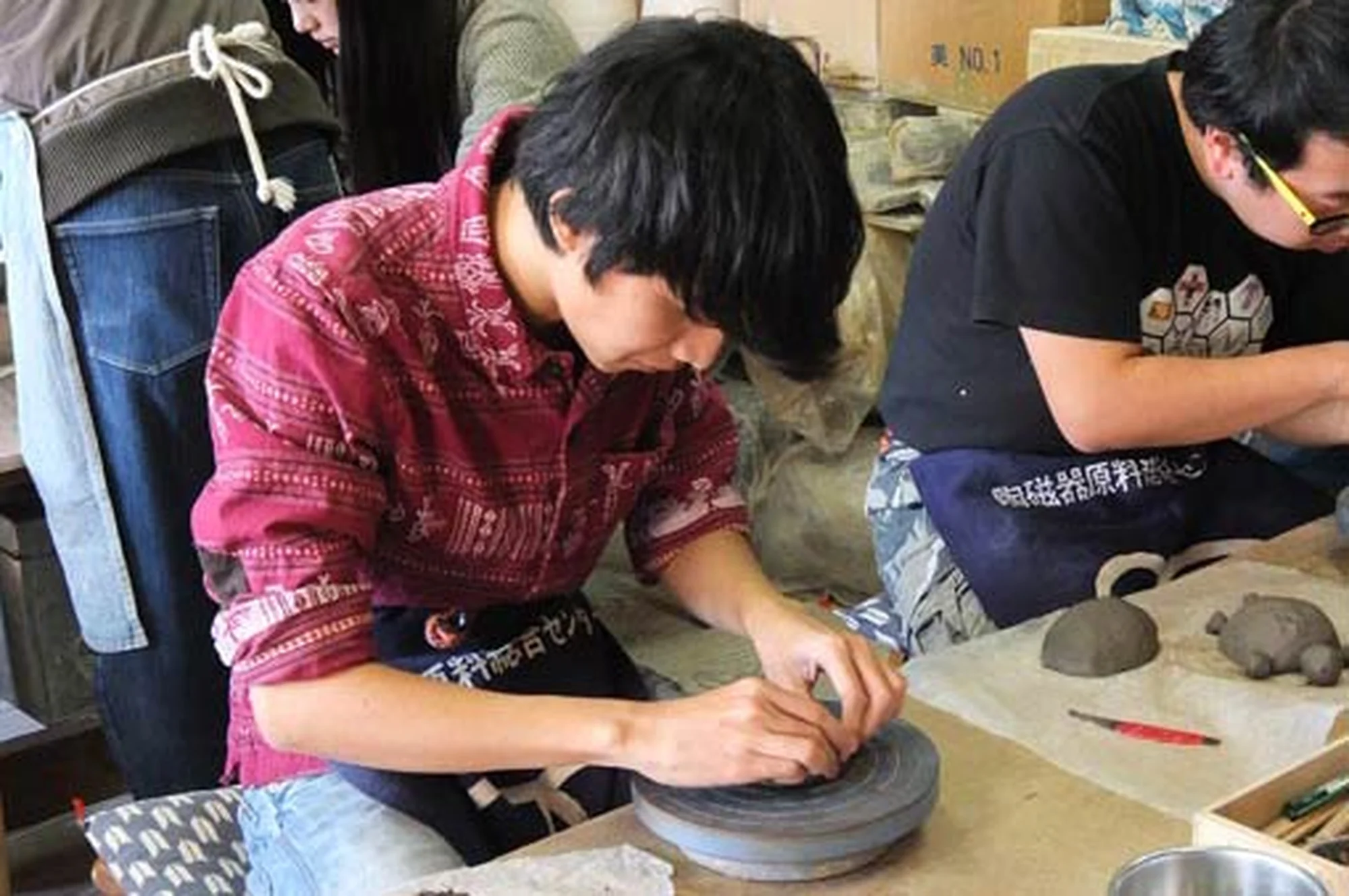
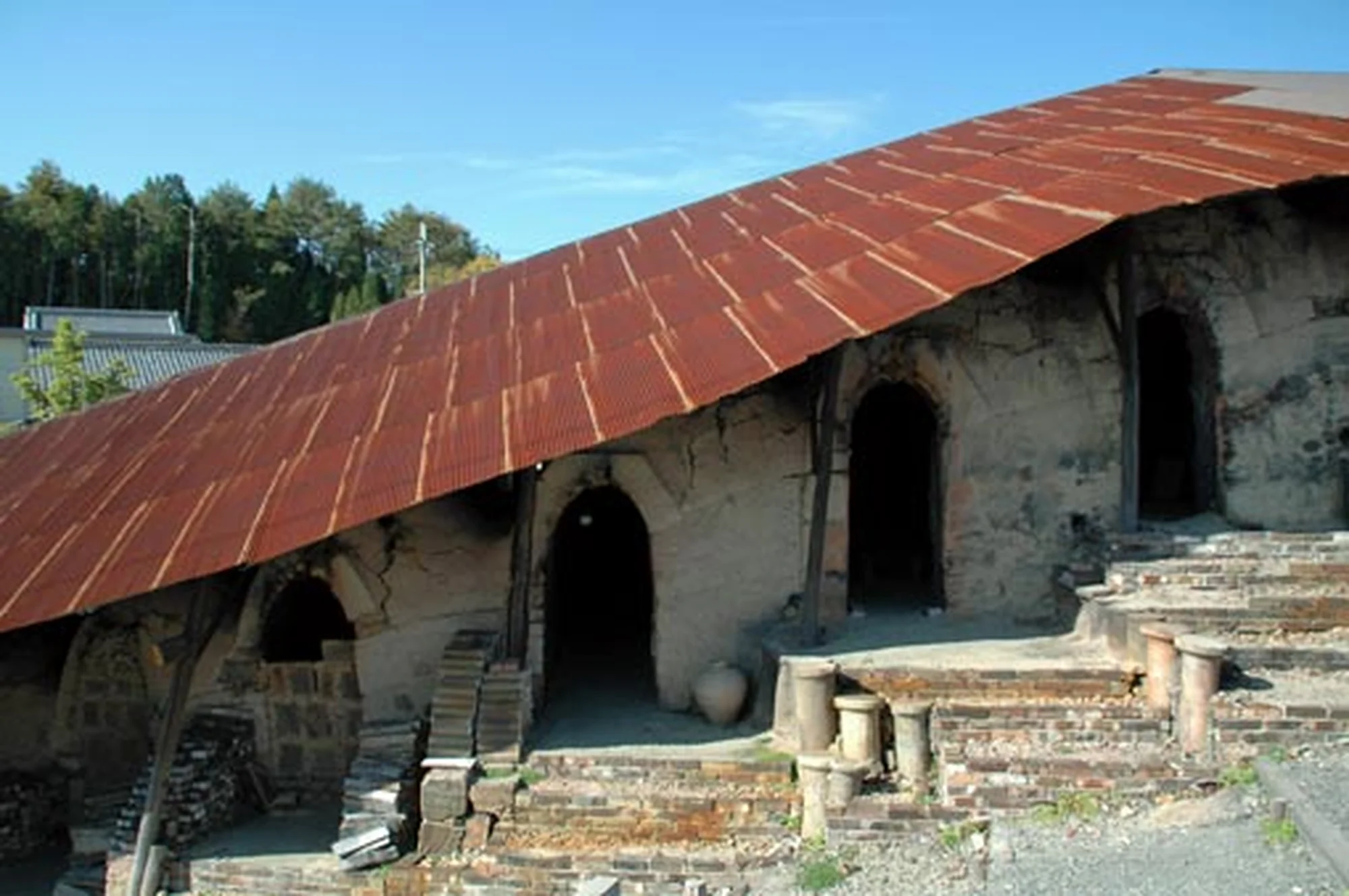
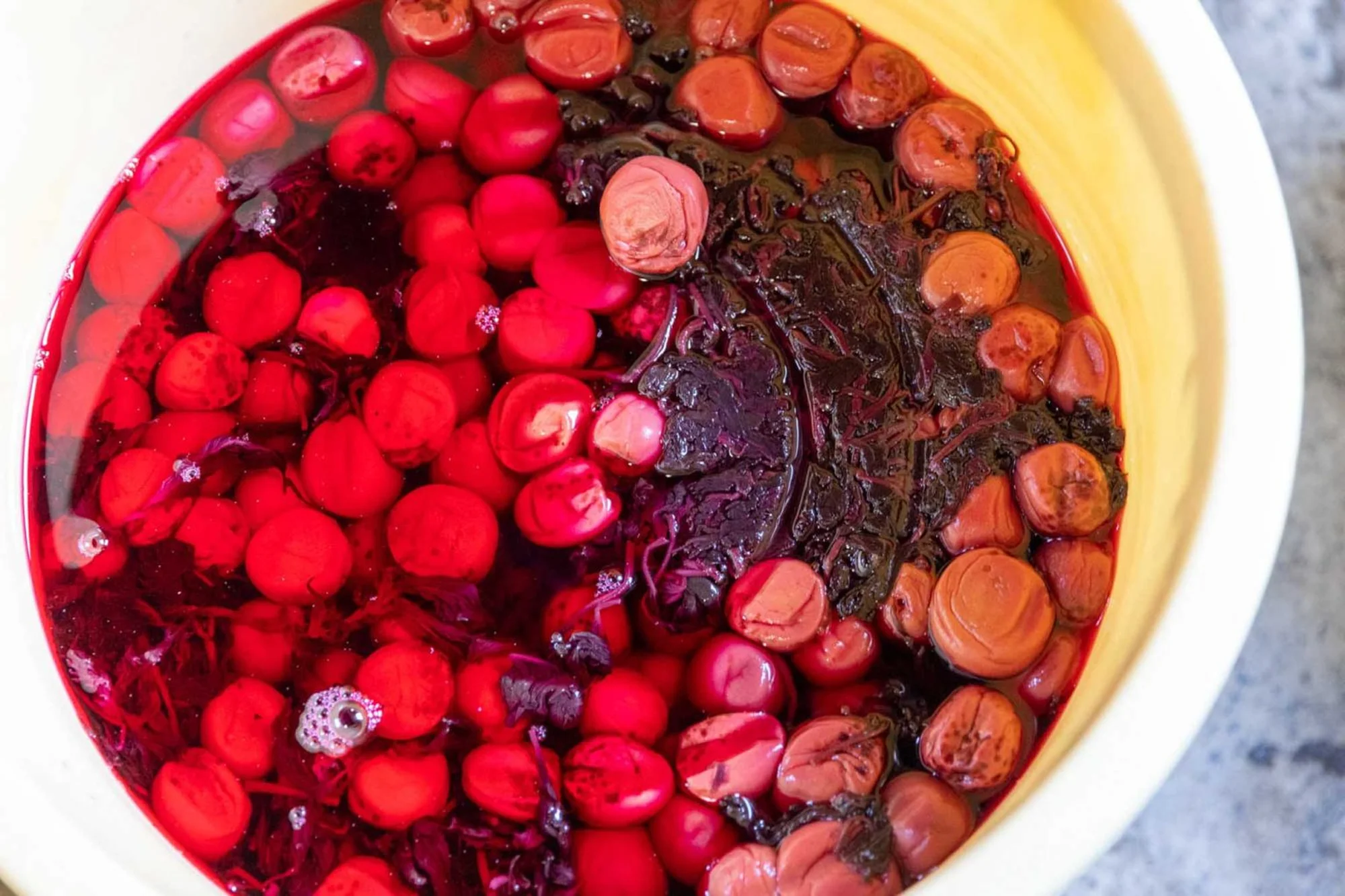
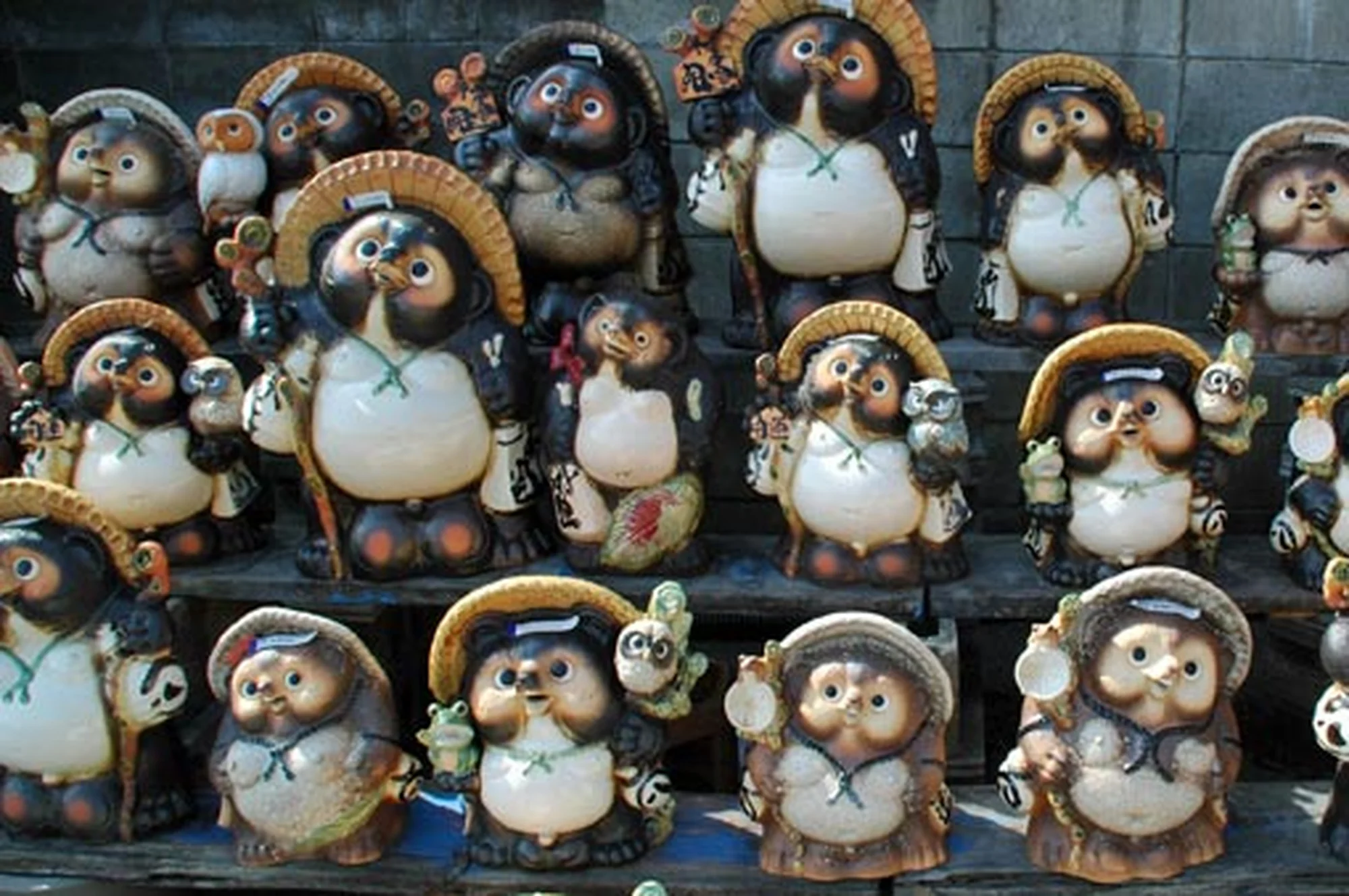
Shiga also has attractions beyond the lakeshore. Koka is associated with Japan’s ninja history and offers experiences exploring the region’s ninja traditions. Shigaraki, meanwhile, is known for its distinctive pottery and offers opportunities to learn about one of Japan’s established ceramic traditions. Both areas can appeal to families, craft enthusiasts, and clients seeking something different from temple and shrine sightseeing.
Shiga is particularly easy to incorporate into a Kyoto-based itinerary. Otsu, at the southern end of Lake Biwa, is only a short train journey from Kyoto, while Hikone and Omihachiman are also accessible by rail. However, the prefecture extends a considerable distance around the lake, and travelling between attractions on opposite shores can take time. Rural temples, craft workshops, and some outdoor experiences are less straightforward to reach without a car or locally arranged transport.
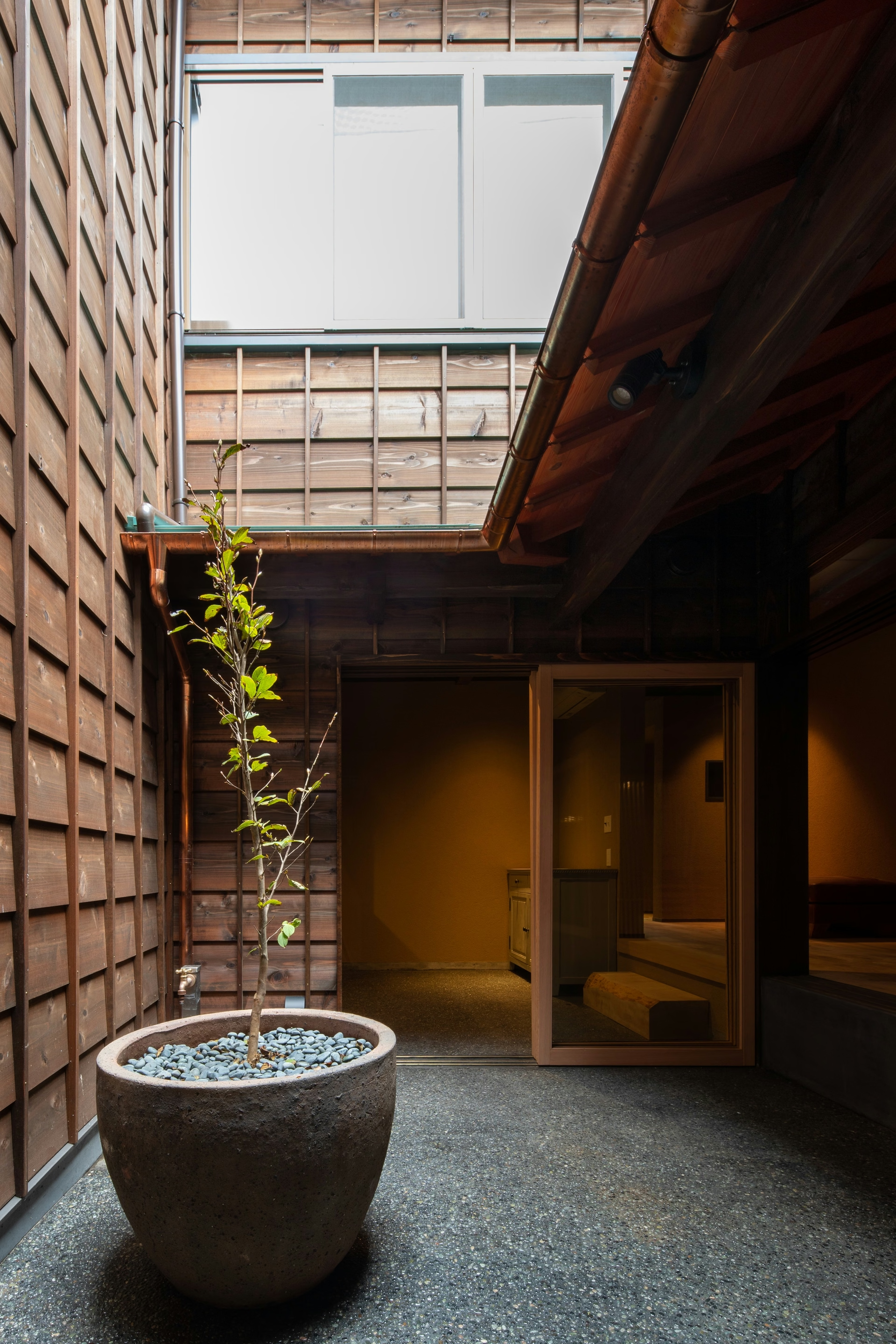
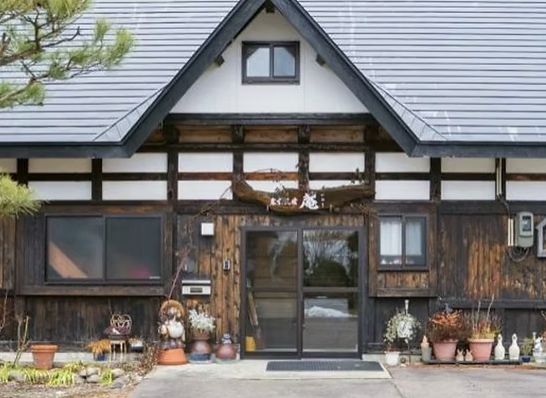
For most first-time visitors, a day trip from Kyoto can cover one or two highlights, but an overnight stay allows a more relaxed exploration of the lake and historic towns. Accommodation ranges from lakeside hotels to traditional inns, although choice varies by area.
Gastronomy
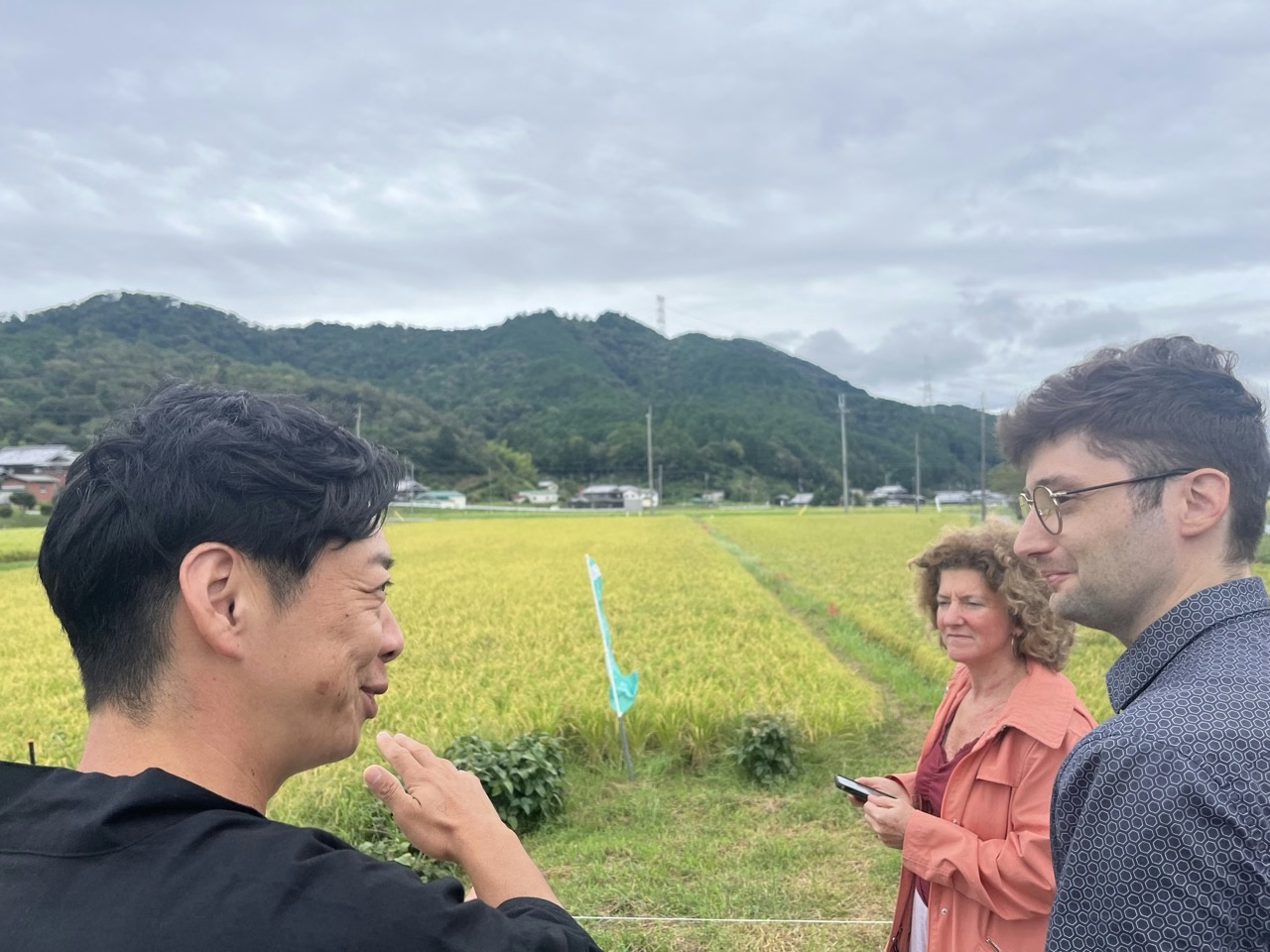
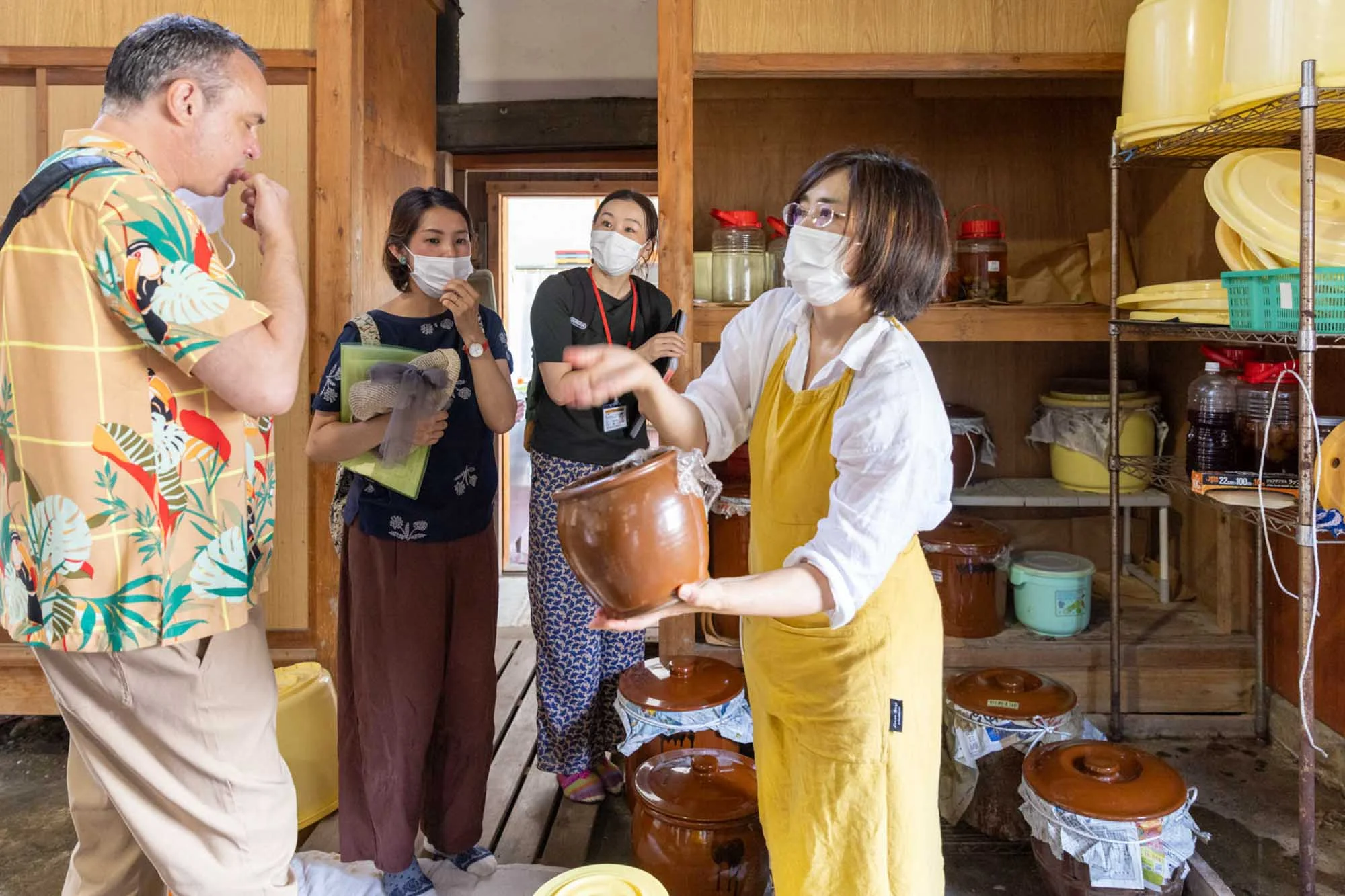
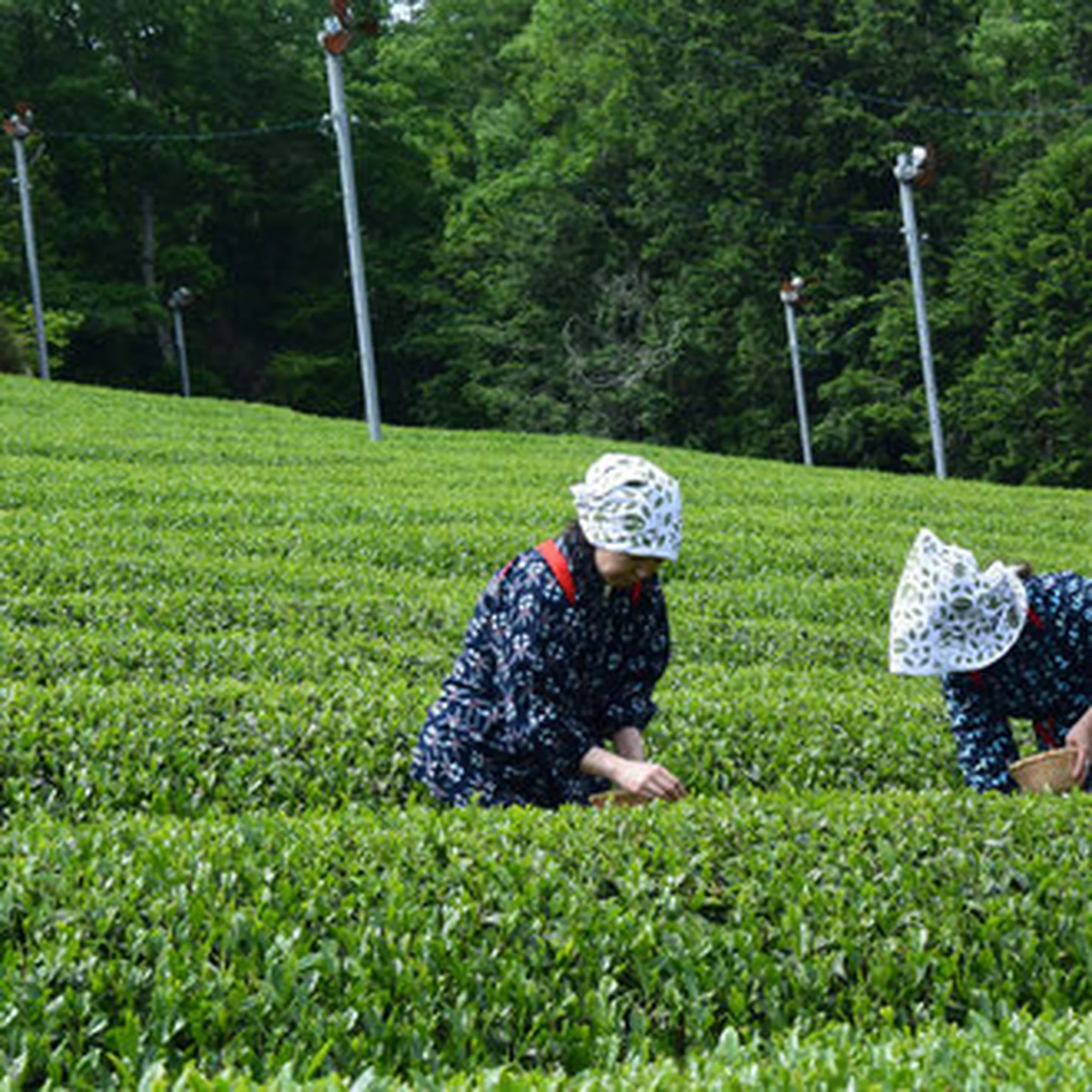
Farm to table produce rich in heritage and flavour. Locally brewed sake and beer all served with that unique special ingredient of Japanese hospitality.
Heritage
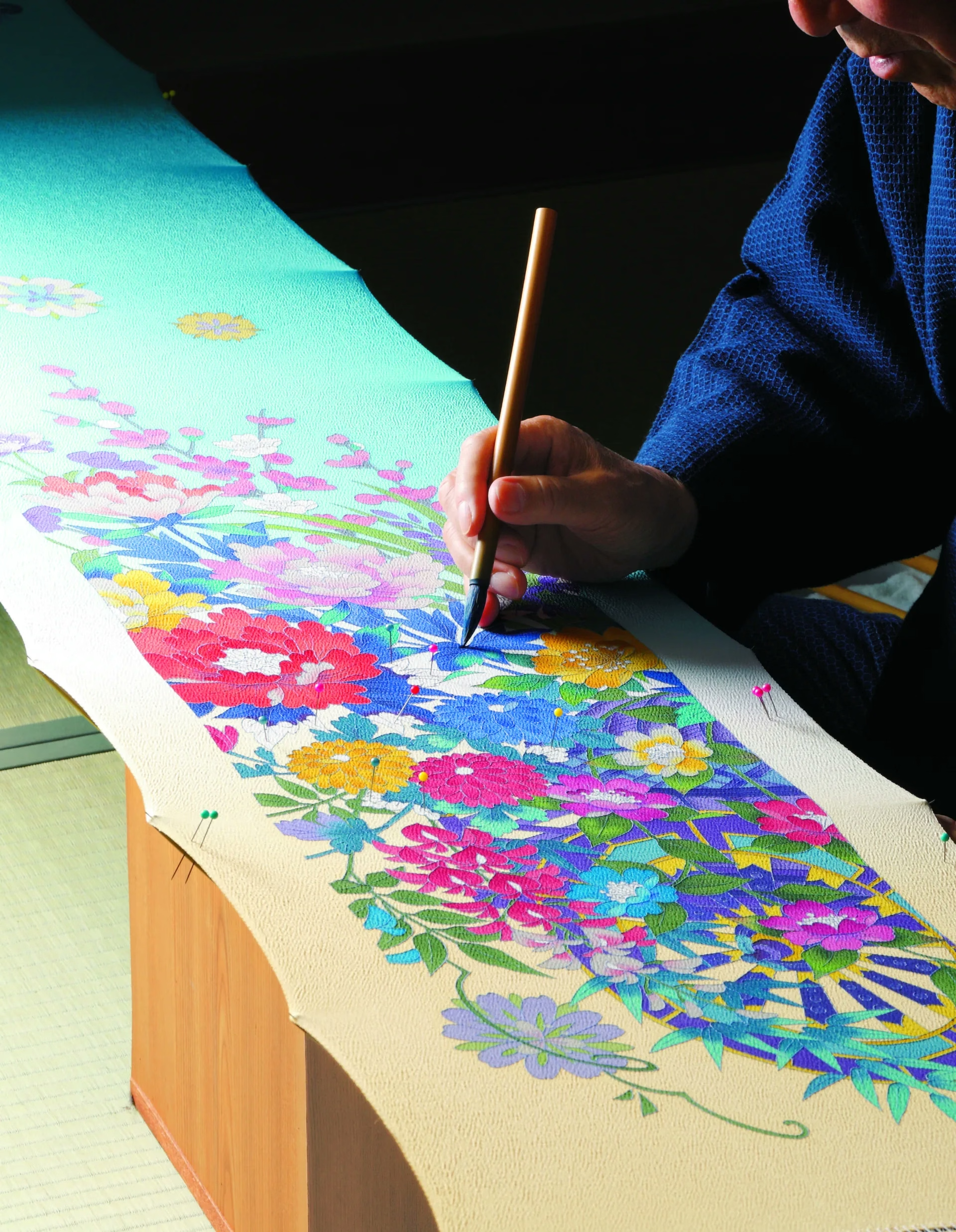
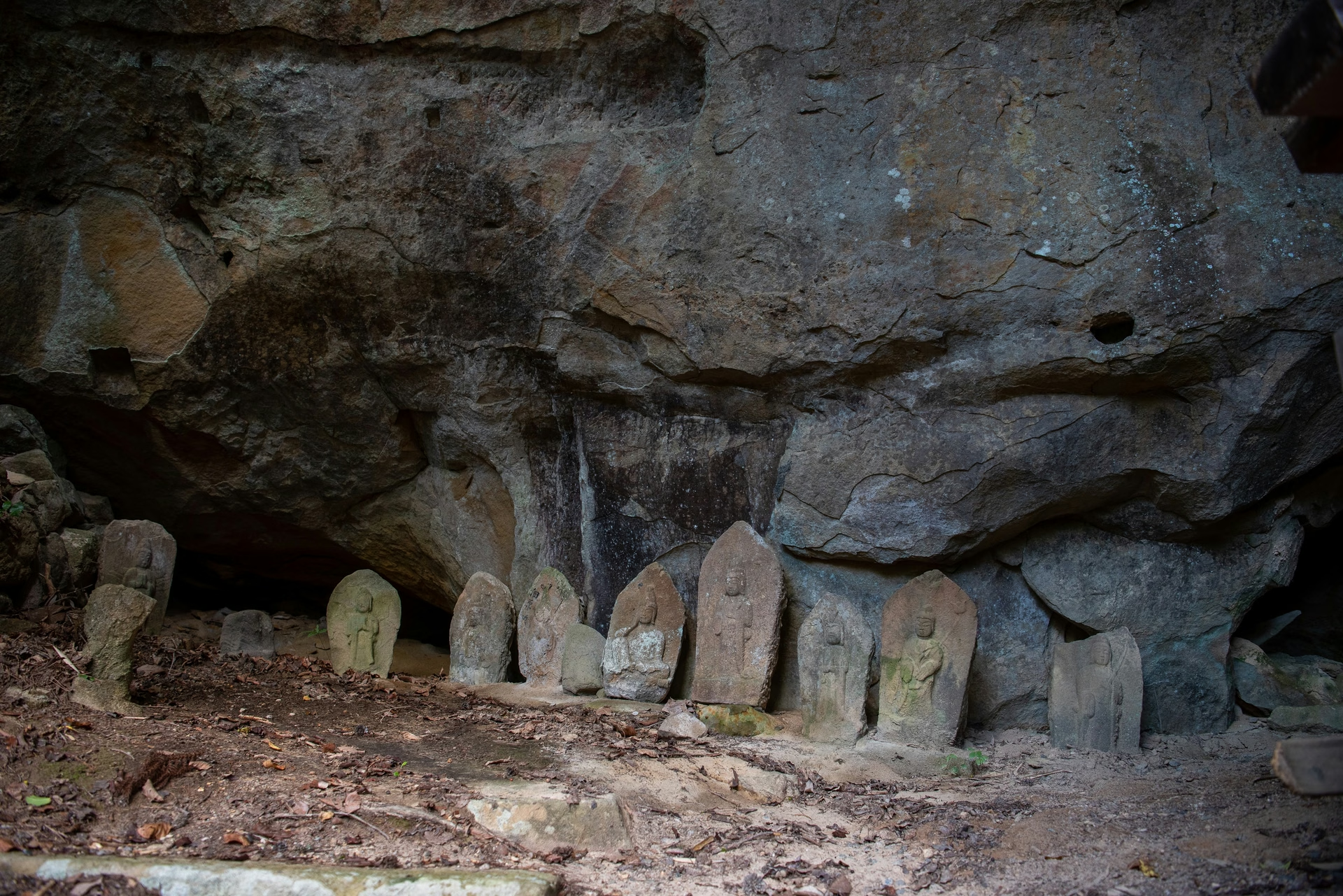
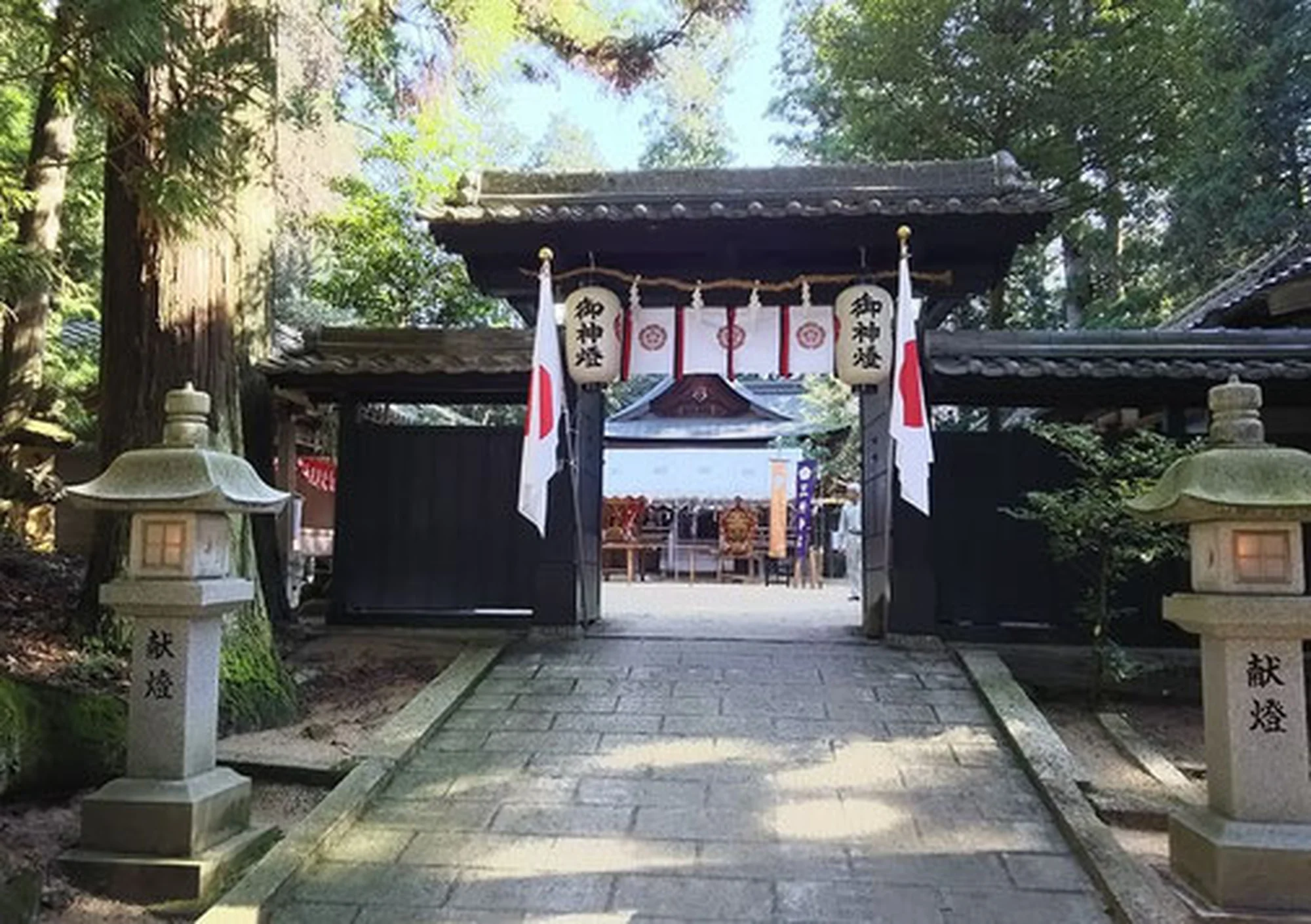
Original, authentic and inspiring. Japanese crafts that support local communities and keep expert skills alive.
Outdoor
Stays
Lorem ipsum dolor sit amet consectetur. Ac lobortis tempus tincidunt suscipit volutpat nunc condimentum imperdiet tincidunt.
Featured Itineraries