Fukui
Quiet pride, hidden quality that many overlook


About
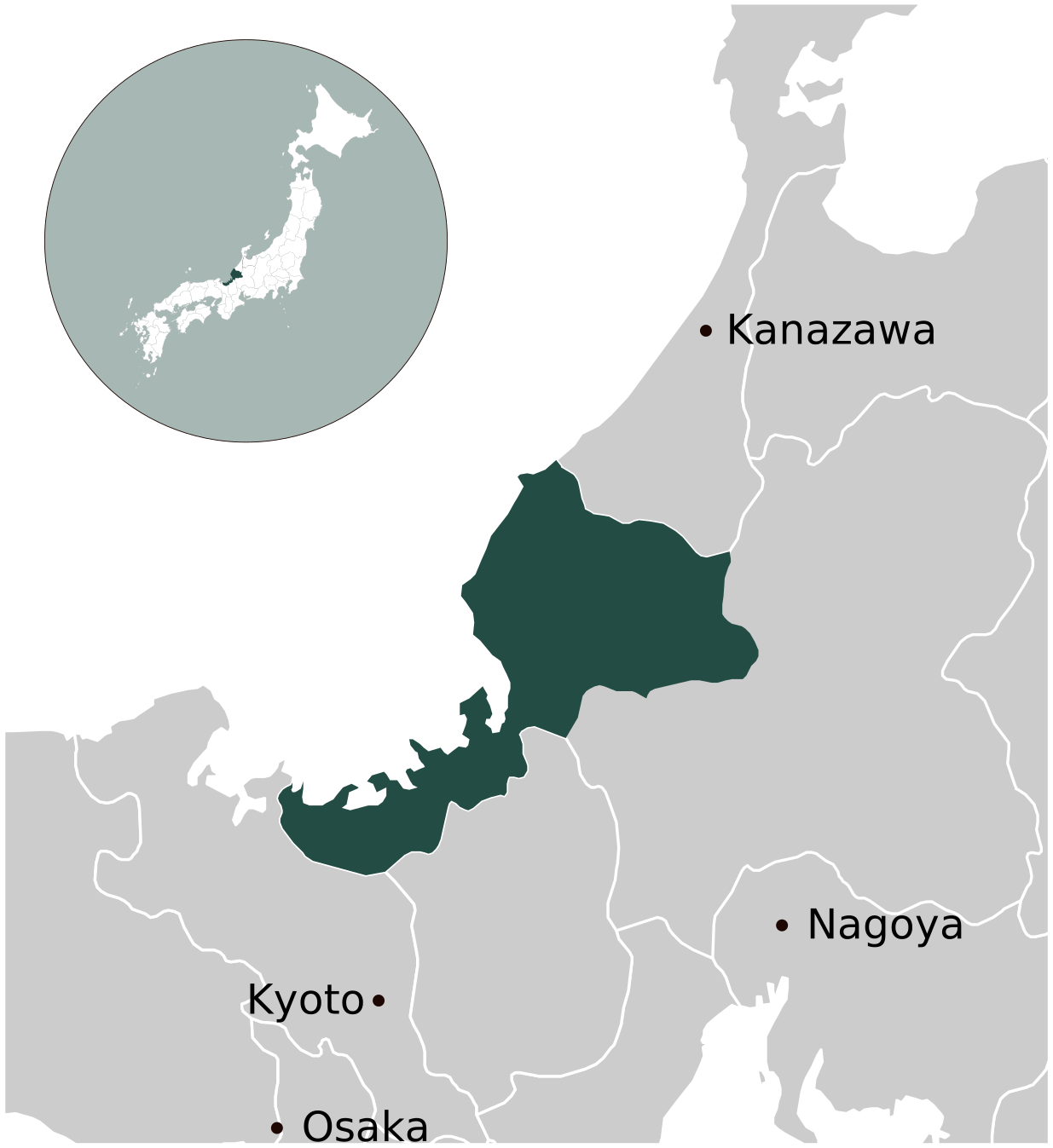
Bisected by the shinkansen line connecting Kanazawa with the Kansai region, Fukui is a hidden gem of a prefecture that many international travellers see only from a train window. It remains one of Japan’s less-visited prefectures among international tourists, which is good news for those who recognise its potential as an excellent addition to a Japan itinerary. Fukui offers crafts, coastline, and culture in abundance, set within a fertile plain between mountains and sea, a landscape characteristic of the Japanese concept of satoyama.
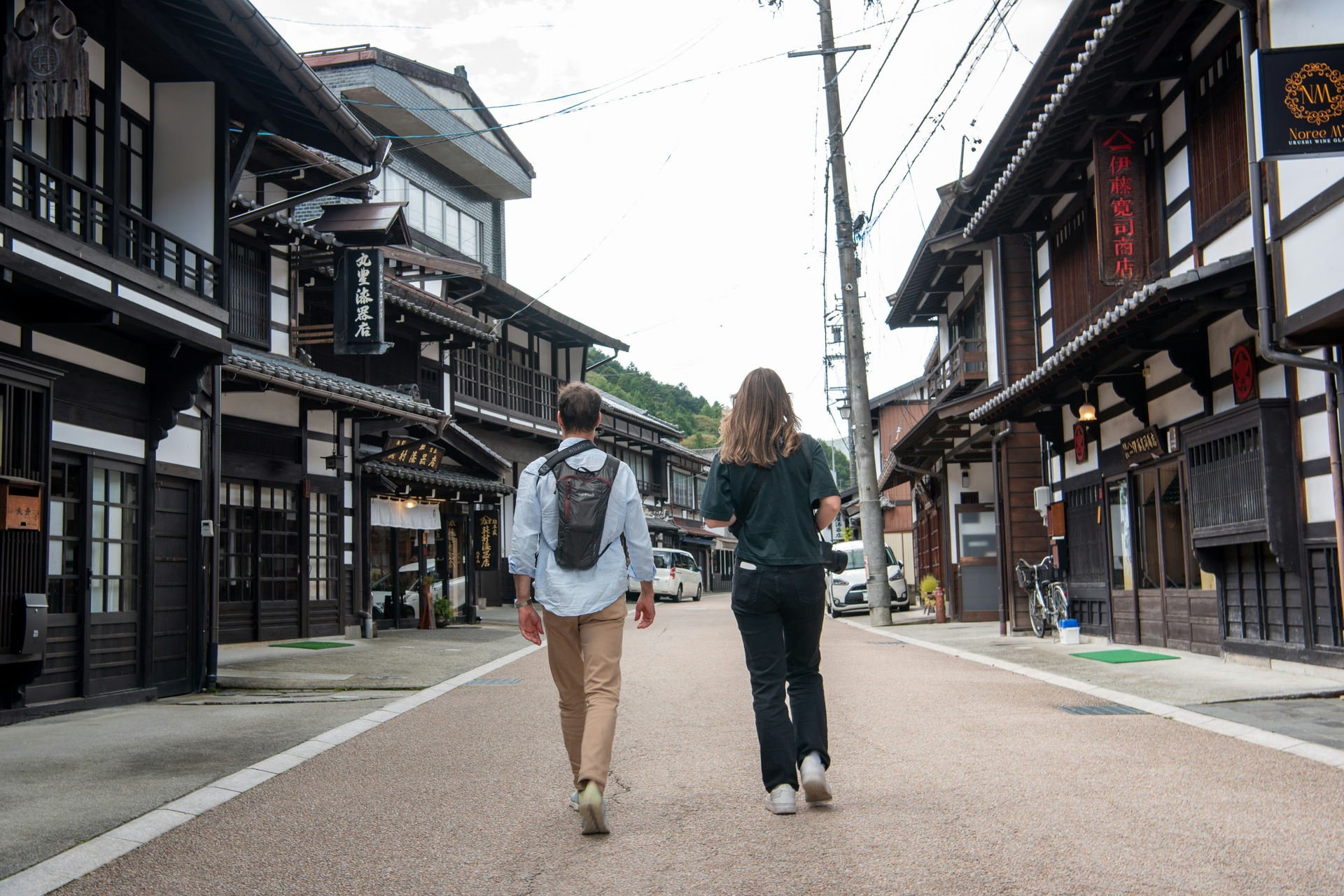
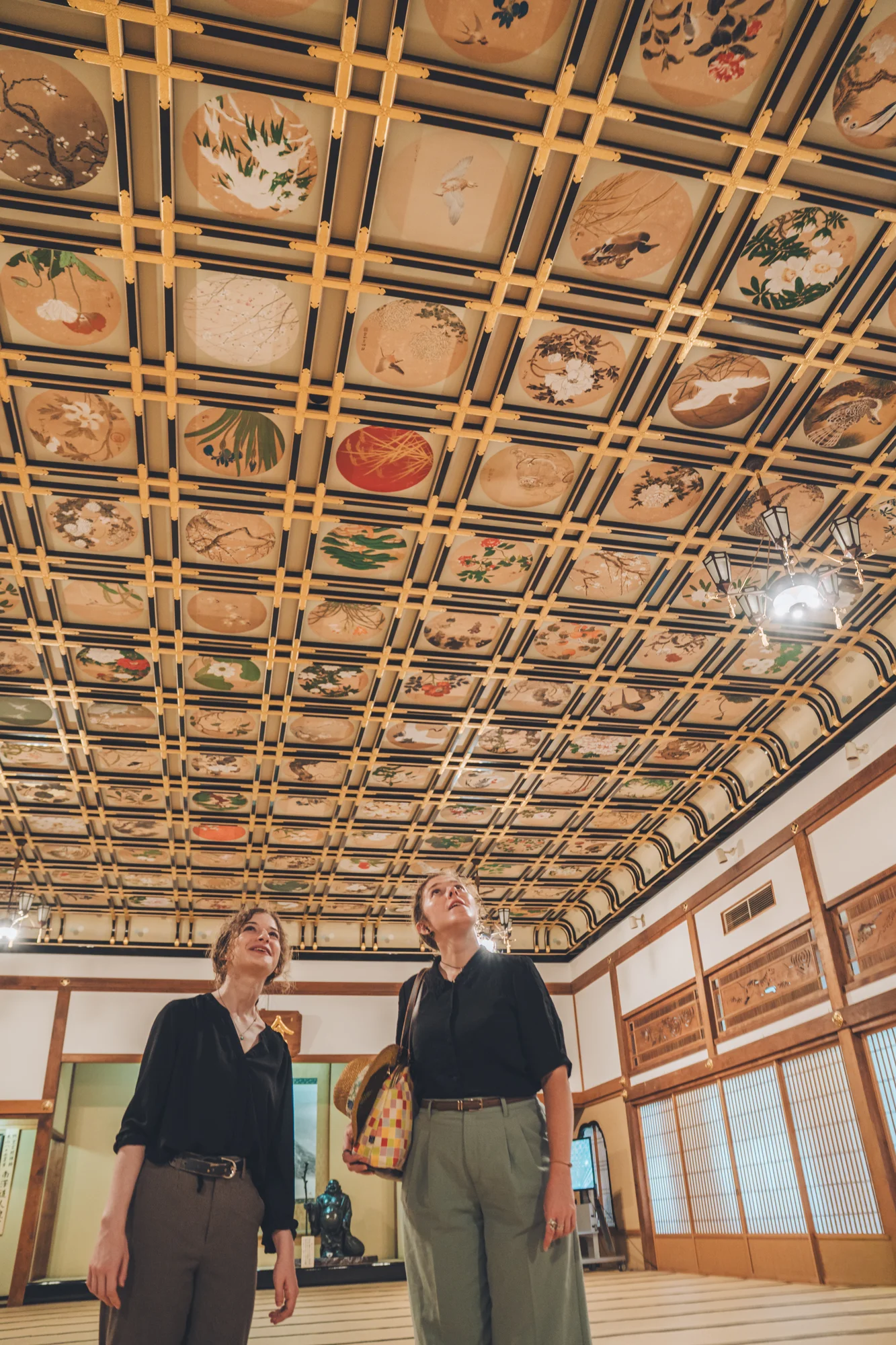
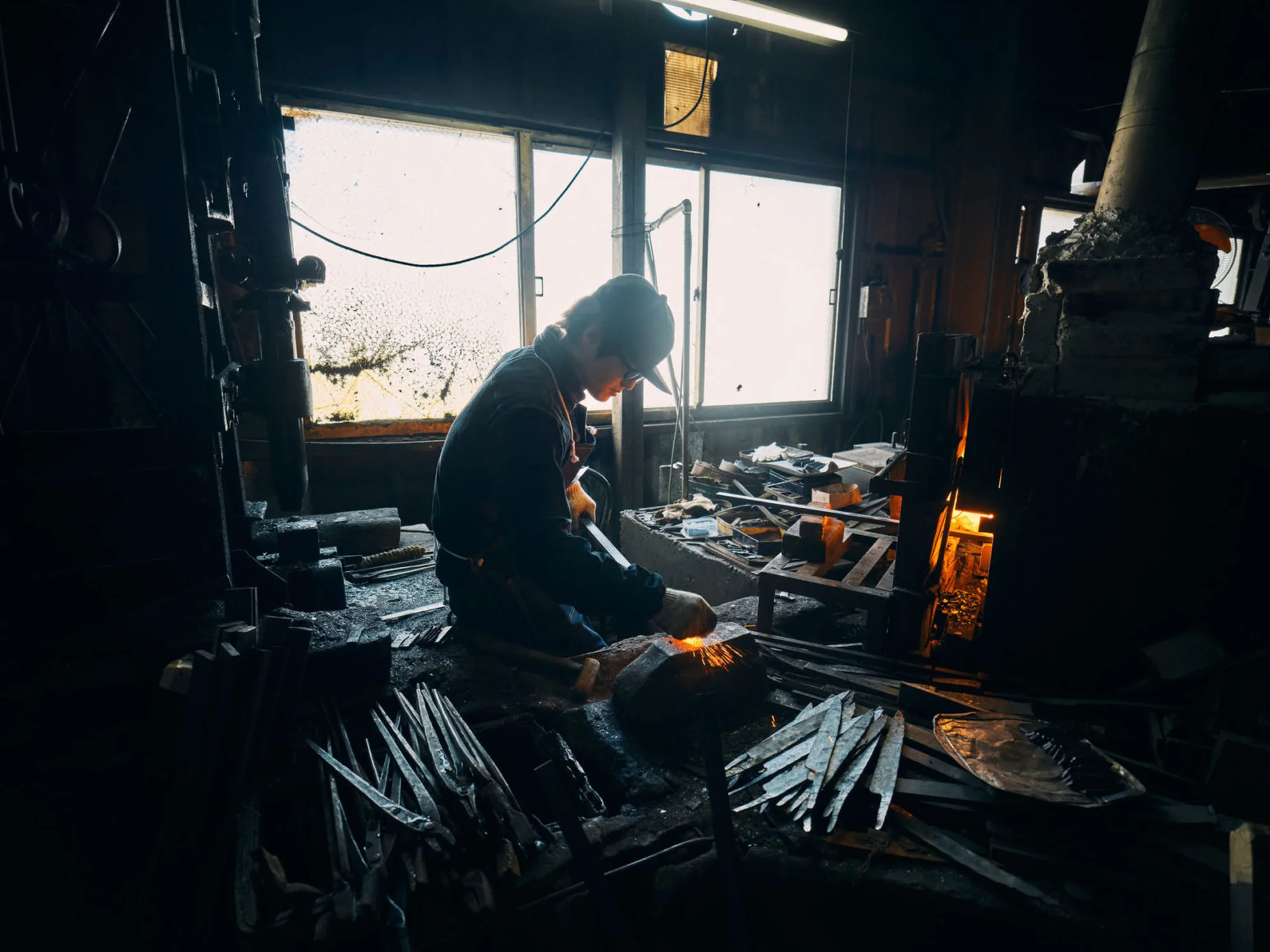
Fukui is divided into two main areas: Reihoku in the north and Reinan in the south. Reihoku borders the Kaga area of Ishikawa Prefecture and is best known for temple stays at Eiheiji, one of Japan’s most important Zen Buddhist monasteries, as well as its rich tradition of craftsmanship. Paper-making and knife-making are particularly interesting for international visitors. The Echizen coastline also offers opportunities for relaxed self-driving, with beautiful sea views, attractive seaside accommodation, and the delicious fresh seafood that such a location promises.
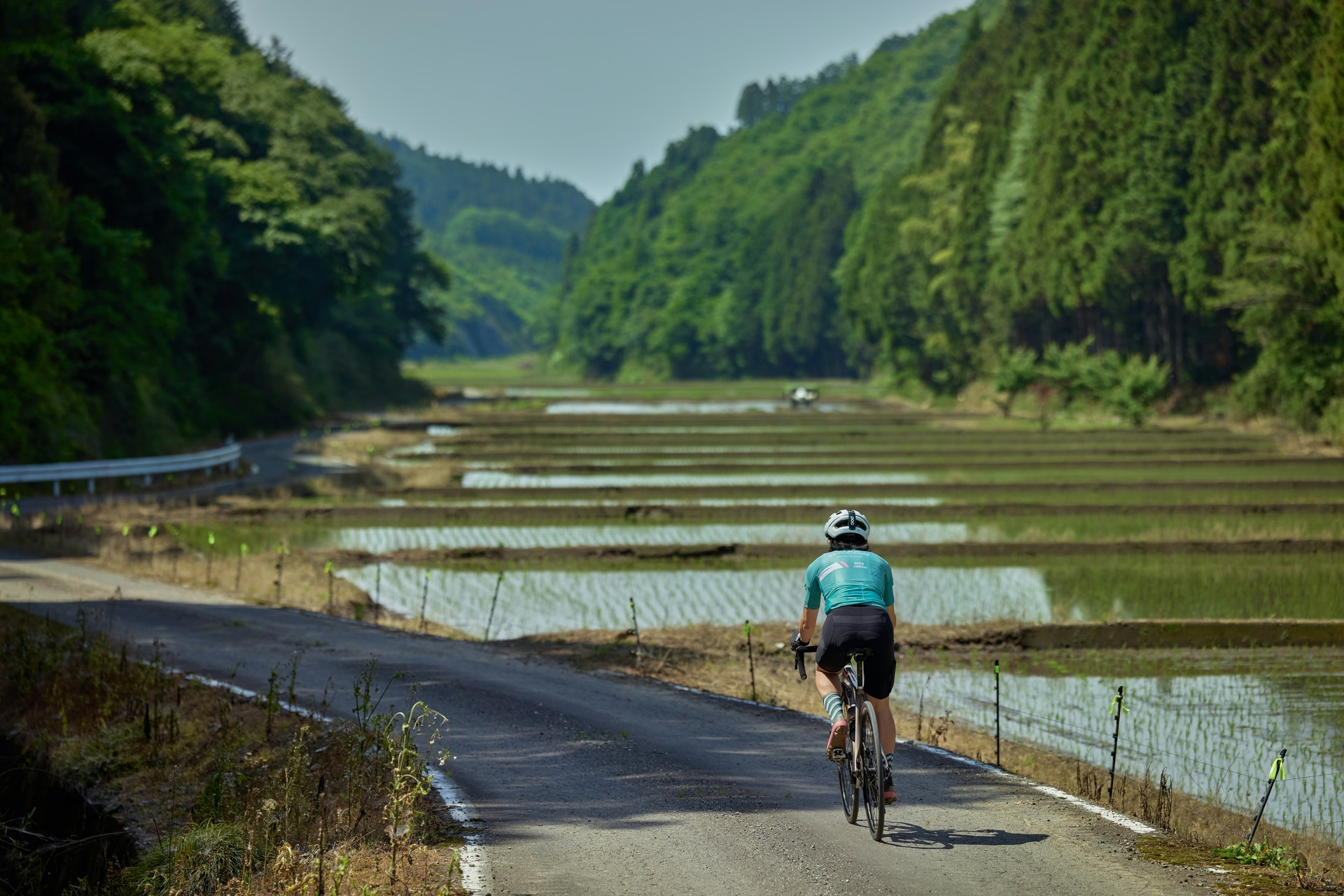
Reinan, in the south, borders Kyoto Prefecture and is associated with the historic Saba Kaido, or Mackerel Road, which has connected Fukui’s coastline with Kyoto City for centuries. Today, sections of this route can be explored on foot or by bicycle, offering tranquil rural experiences across the small mountain range between the two areas. Rail and road connections also make travel between the region and Kyoto relatively straightforward. Reinan is home to the beautiful Five Lakes of Mikata, as well as the historic seaside town of Obama, which has become an increasingly interesting destination for culturally focused tourism.
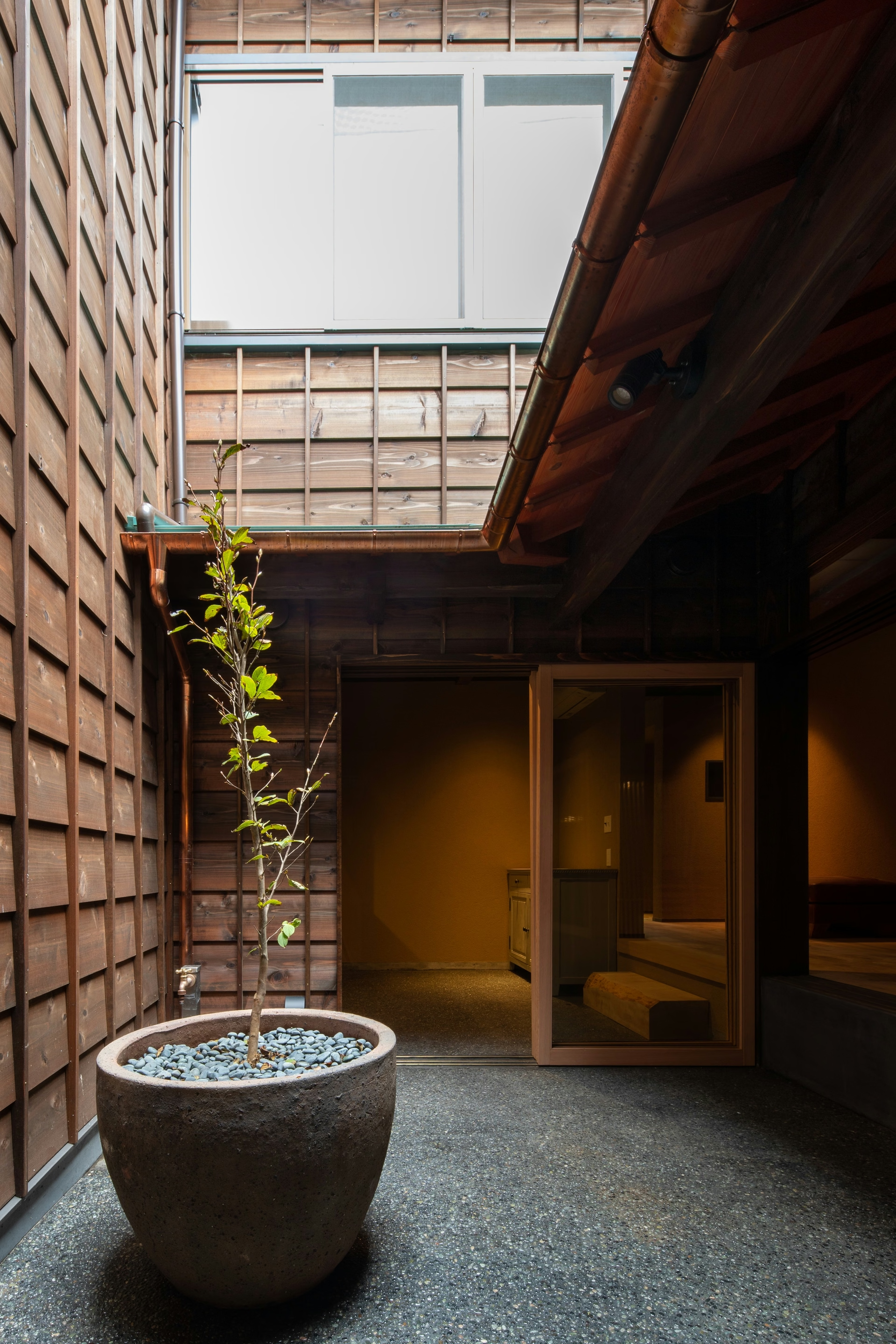
Fukui is a relatively straightforward addition to a conventional Golden Route itinerary, offering authenticity, distinctive experiences, and a different perspective on Japan. Accommodation options can sometimes be more challenging to identify, but JTE has access to a number of lesser-known properties through its packaged modules.
Gastronomy
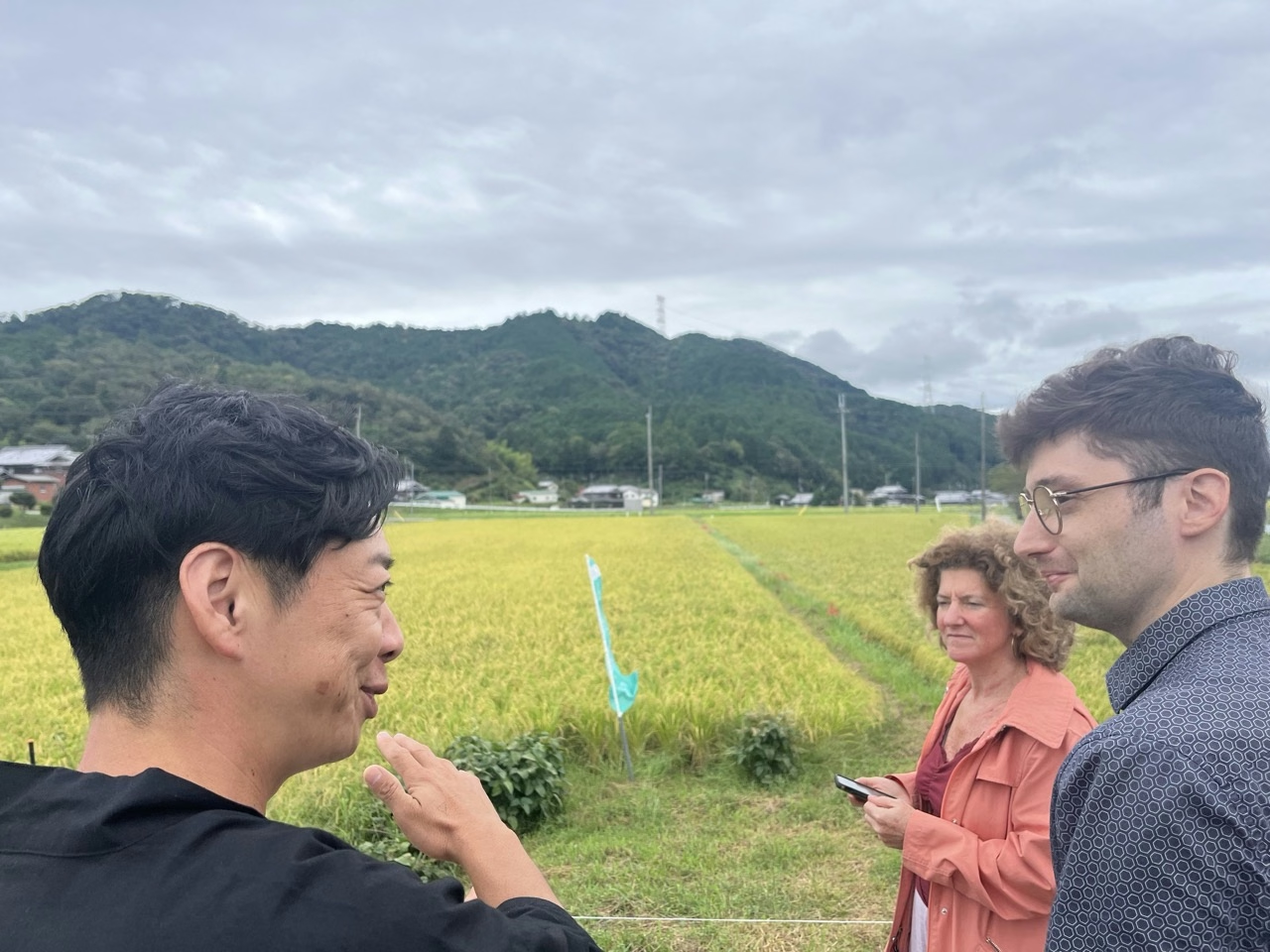
Farm to table produce rich in heritage and flavour. Locally brewed sake and beer all served with that unique special ingredient of Japanese hospitality.
Heritage
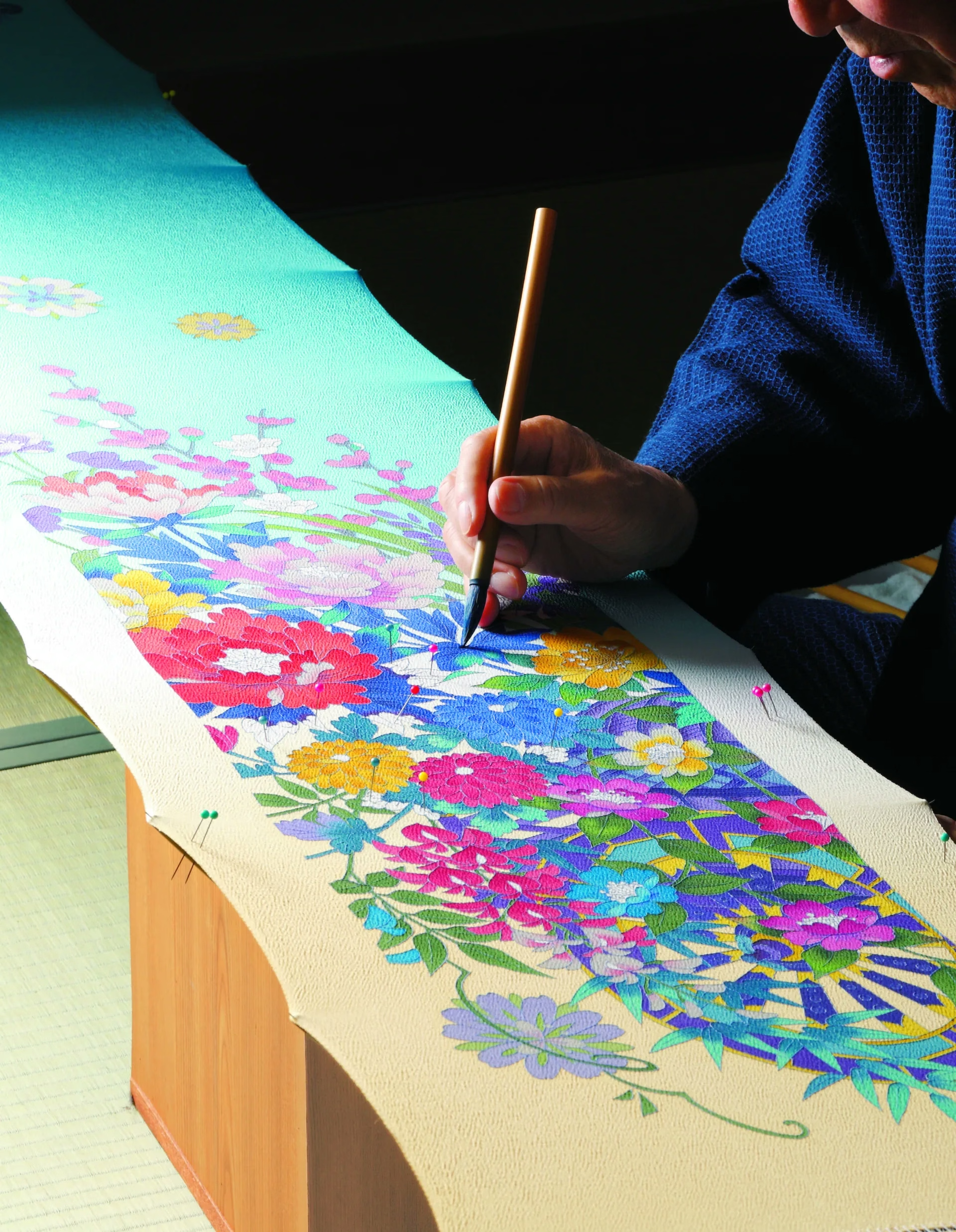
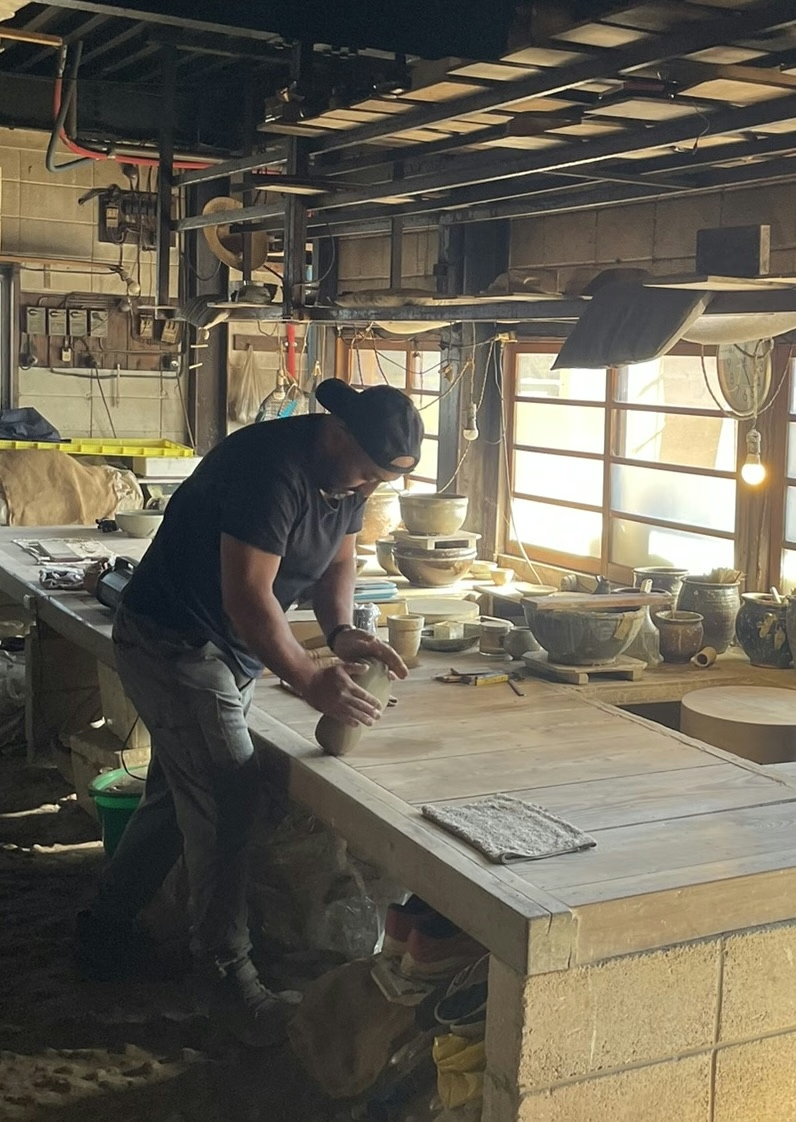
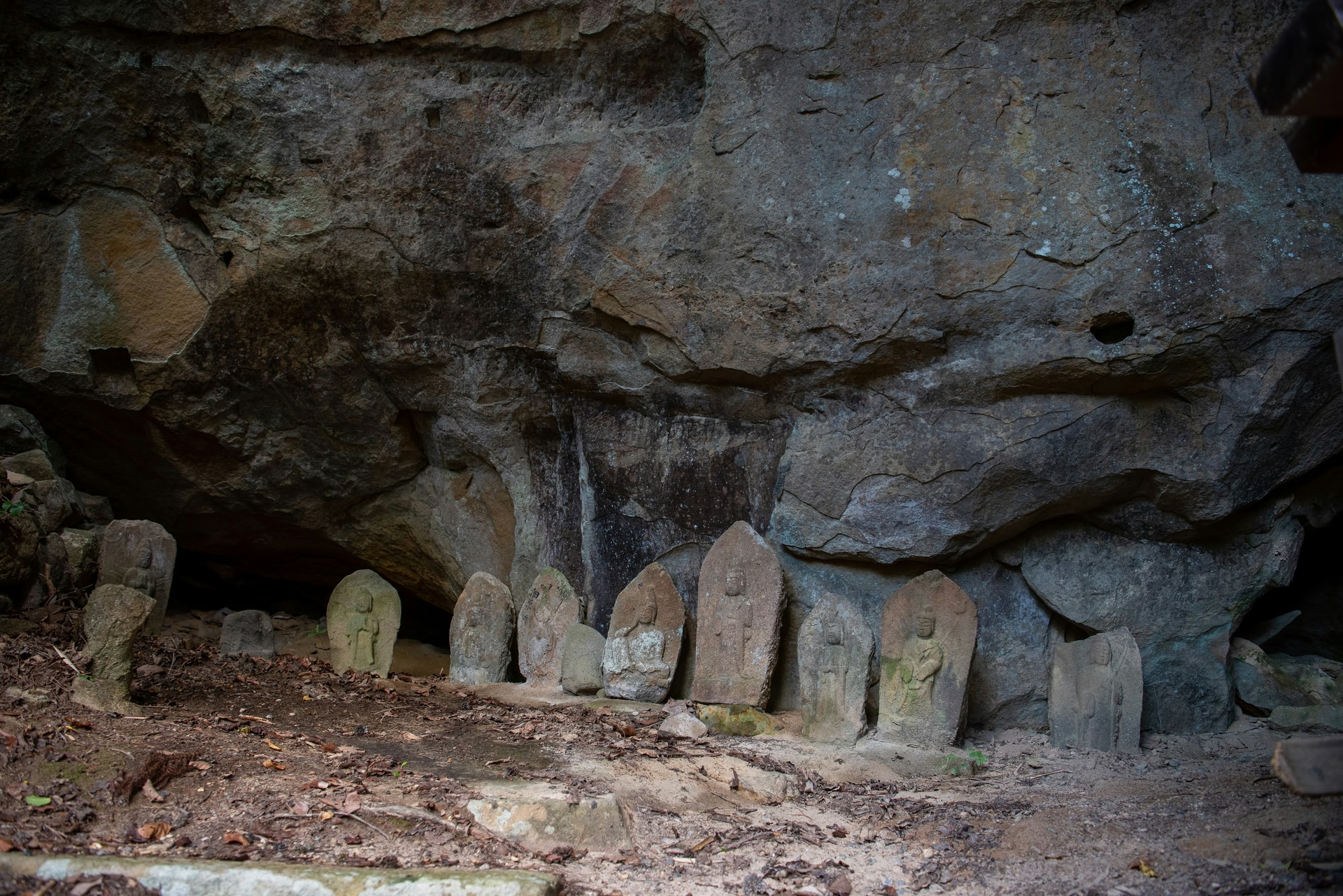
Original, authentic and inspiring. Japanese crafts that support local communities and keep expert skills alive.
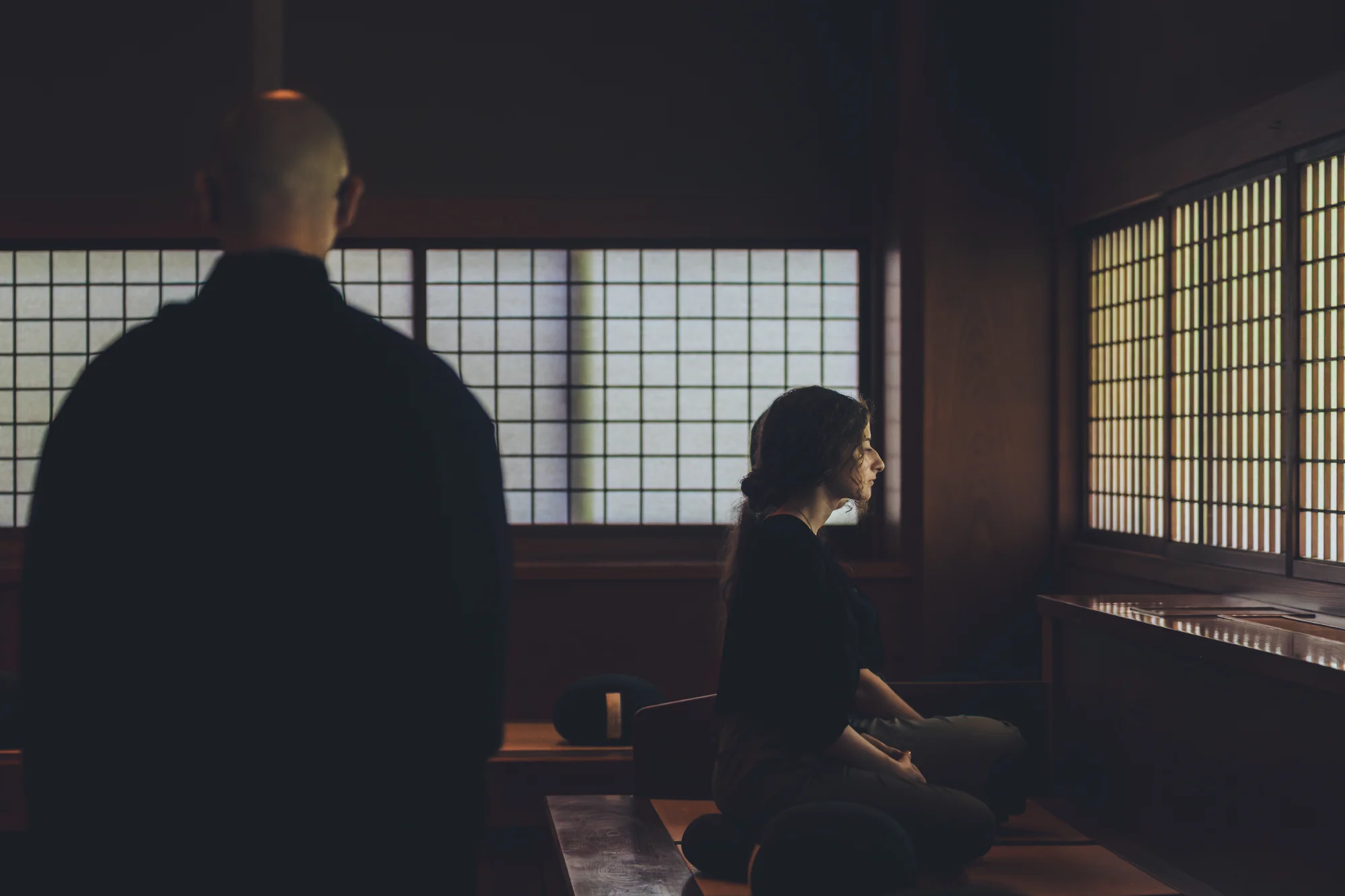
Outdoor
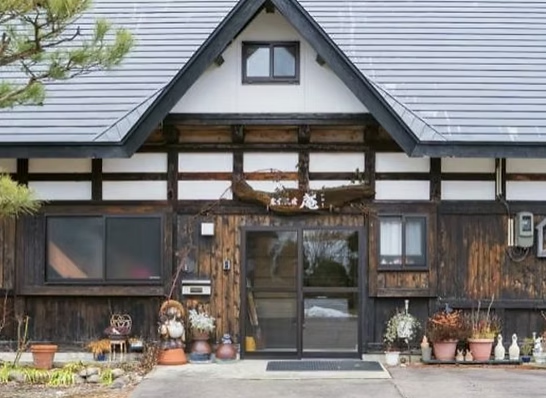
Stays
Lorem ipsum dolor sit amet consectetur. Ac lobortis tempus tincidunt suscipit volutpat nunc condimentum imperdiet tincidunt.
Featured Itineraries